Hong Kong’s Architectural New Technologies: Pioneering Urban Development
Hong Kong, a bustling metropolis known for its skyline replete with towering skyscrapers and innovative designs, stands at the forefront of architectural technology. The city’s unique geographical constraints and the relentless pursuit of efficiency have driven it to embrace new technologies in building design and construction. This article explores how these technologies are shaping Hong Kong’s urban landscape, enhancing sustainability, and paving the way for future developments.
Innovative Building Materials
One of the significant advancements in Hong Kong’s architectural sector is the adoption of new building materials that are sustainable, more durable, and energy-efficient. Composite materials, such as high-performance concrete and recycled steel, have become more prevalent. These materials not only reduce the overall carbon footprint but also enhance the structural integrity of buildings.
For instance, the use of Ultra-High Performance Concrete (UHPC) has seen a rise in recent years. UHPC is not only stronger and more durable than traditional concrete but also possesses superior resistance to weathering, which is crucial in Hong Kong’s humid and typhoon-prone climate.
Smart Glass Technology
Hong Kong’s skyscrapers are increasingly utilizing smart glass technology. This innovative glass can change its properties, such as light transmission, in response to external conditions, thereby significantly reducing energy costs associated with heating, cooling, and lighting. Buildings like the Bank of China Tower have implemented smart glass to enhance energy efficiency and occupant comfort, setting a standard for future developments.
Modular Construction
To address the high demand for efficient construction practices, Hong Kong has turned to modular construction techniques. This method involves prefabricating building sections in a factory setting, which are then transported and assembled on-site. This approach not only speeds up the construction process but also significantly reduces waste and disruption to the surrounding area.
An excellent example of this is the recently constructed InnoCell at the Hong Kong Science Park. It utilized modular construction to create a sustainable and innovative living space for tech professionals, demonstrating the potential of modular techniques in urban settings.
Vertical Greening Systems
Hong Kong’s push towards a greener urban environment is evident in its adoption of vertical greening systems. These systems, which involve covering building facades with vegetation, help combat the urban heat island effect, improve air quality, and enhance the aesthetic appeal of the cityscape. The One Central Park building in Hong Kong is a pioneer in this area, featuring a comprehensive system that supports a range of plant species.
Building Information Modeling (BIM)
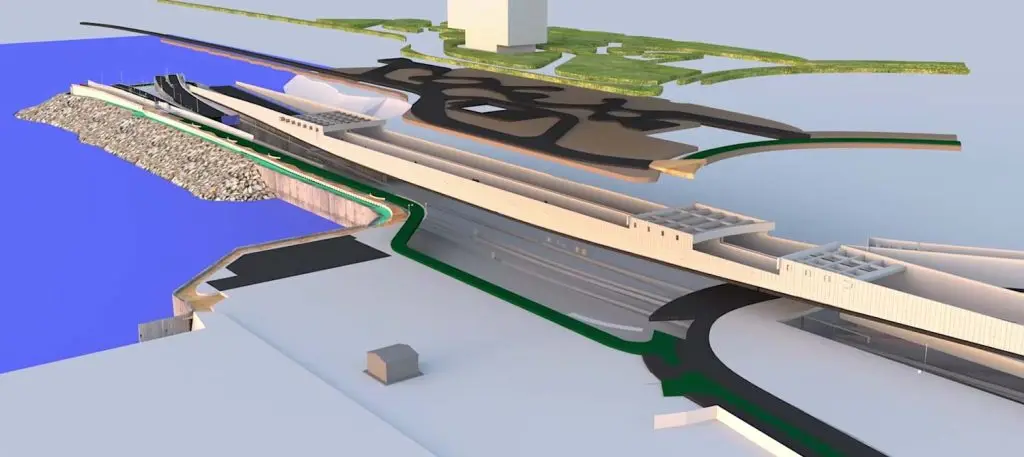
BIM technology has revolutionized how architectural projects are planned, designed, managed, and constructed in Hong Kong. Through BIM, architects and engineers can create detailed 3D models that simulate the real characteristics of a building. This not only improves design accuracy but also facilitates better coordination among different teams, leading to more efficient project management.
The Hong Kong-Zhuhai-Macao Bridge project utilized BIM extensively to handle complex engineering challenges, showcasing its effectiveness in large-scale infrastructure projects.
Solar Power Integration
With the increasing emphasis on sustainability, Hong Kong’s new architectural designs integrate solar panels more seamlessly. Buildings are now designed with solar-ready roofs and facades that can generate power for their own needs and contribute excess energy back to the grid. The Zero Carbon Building in Kowloon Bay is a leader in this regard, being one of the first to achieve a net-zero carbon footprint in Hong Kong.
Seawater for Cooling Systems
Leveraging its coastal location, Hong Kong has innovated in using seawater as a cooling medium for its high-rise buildings. This technology significantly reduces the reliance on freshwater resources and lowers the energy consumption associated with air conditioning. The International Commerce Centre, one of Hong Kong’s tallest buildings, utilizes a seawater cooling system that serves as a model for sustainable building practices.
Conclusion
Hong Kong’s architectural advancements demonstrate a commitment to innovation, efficiency, and sustainability. By incorporating new materials, technologies, and sustainable practices, the city continues to lead as a global hub for architectural innovation. These technologies not only address the immediate challenges of urban development but also set the stage for future innovations that will continue to shape Hong Kong’s skyline. As the city evolves, these pioneering technologies will undoubtedly play a crucial role in its journey towards becoming a smarter, more sustainable urban environment.
The Role of Construction Project Videos in Modern Engineering Projects
In today’s era of information overload, it has become increasingly popular for engineering projects to showcase their progress and outcomes through videos. Videos allow engineering teams to visually present the technical details, construction processes, and final results of their projects. This not only enhances transparency but also facilitates effective communication with investors and the public. Moreover, videos serve as a powerful marketing tool, capturing the attention of potential clients and partners, and deepening their understanding and interest in the project. Therefore, incorporating videos into modern engineering projects has become an essential component, aiding in the multifaceted development and promotion of these projects.
Visual Media Limited is your professional choice!
If you want to learn more about the pricing details of video production, feel free to contact our team. At Visual Media, our professional team with over 25 years of video production experience is well-recognized in the industry. Our account managers will discuss your needs in detail and provide the most suitable production plan for each client, creating value for your brand!