
Time-Lapse Photography: Its Application in the Field of Construction Engineering
Time-lapse photography is a unique photographic technique that involves taking continuous, timed photographs of the same scene or object, and then stringing these photos together in sequence to create a video, thereby producing a fast-motion effect. This technique can compress the slow changes of a scene into a short period of time, allowing viewers to experience the passage of time in just a few minutes or even seconds, revealing unseen beauty in everyday life.
Origins and Development of Time-Lapse Photography
The concept of time-lapse photography can be traced back to the late 19th century when photographers began using this technique to study the movements of animals and plants. As photographic technology advanced and camera equipment became more widespread, time-lapse photography gradually became an important tool for artistic creation and scientific research. In modern times, with the development of digital photography technology, time-lapse photography has become more popular and precise, serving as a creative medium for photographers and filmmakers.
Methods of Time-Lapse Photography
Essential Equipment
To begin time-lapse photography, you will need several key pieces of equipment:
- Camera: DSLRs or mirrorless cameras often provide the manual settings crucial for time-lapse photography.
- Tripod: Stability is key in time-lapse photography to avoid any camera movement between shots.
- Interval Timer: This device or camera feature allows you to set the frequency and number of shots. Some modern cameras have built-in interval timers.
Setup
When setting up time-lapse photography, consider the following:
- Interval and Duration: The shooting interval and total duration depend on the subject and the desired effect. For fast-moving clouds, you might shoot every few seconds. For plant growth, shooting might occur at intervals of several hours or days.
- Exposure Settings: Maintaining consistent exposure settings is essential. Manual mode prevents the camera from making unnecessary adjustments during shooting.
- Focus: Using manual focus is recommended to maintain consistency throughout the shooting process.
Challenges of Time-Lapse Photography
Environmental Variables
Outdoor shooting involves challenges such as weather changes and natural light variations. These factors can lead to inconsistencies in lighting and exposure in the final video.
Battery Life and Storage
Long-duration time-lapse photography requires sufficient battery life and storage capacity. External power sources and high-capacity memory cards or external drives are usually necessary.
Post-Production
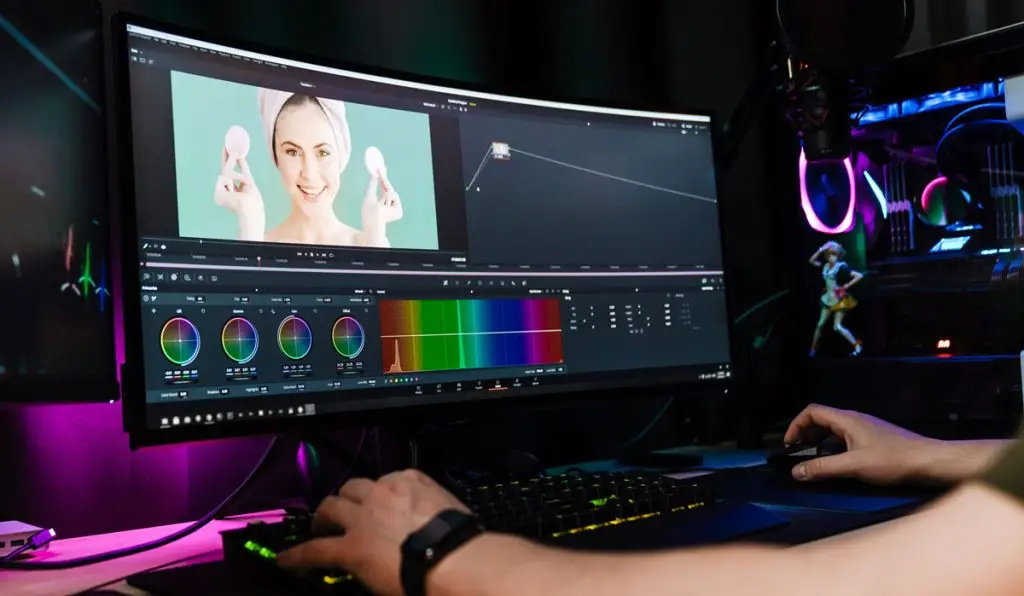
Compiling hundreds or thousands of images into a time-lapse video can be computationally intensive. Software such as Adobe After Effects or Lightroom can be used to edit, stitch, and render sequences into video. This process also allows for color grading and correcting any exposure inconsistencies.
Application of Time-Lapse Photography in the Field of Construction Engineering
The application of time-lapse photography in the field of construction engineering is multifaceted, serving not only as a visual record of project progress but also as a powerful tool for communication and marketing. Here are some specific applications:
Project Progress Documentation
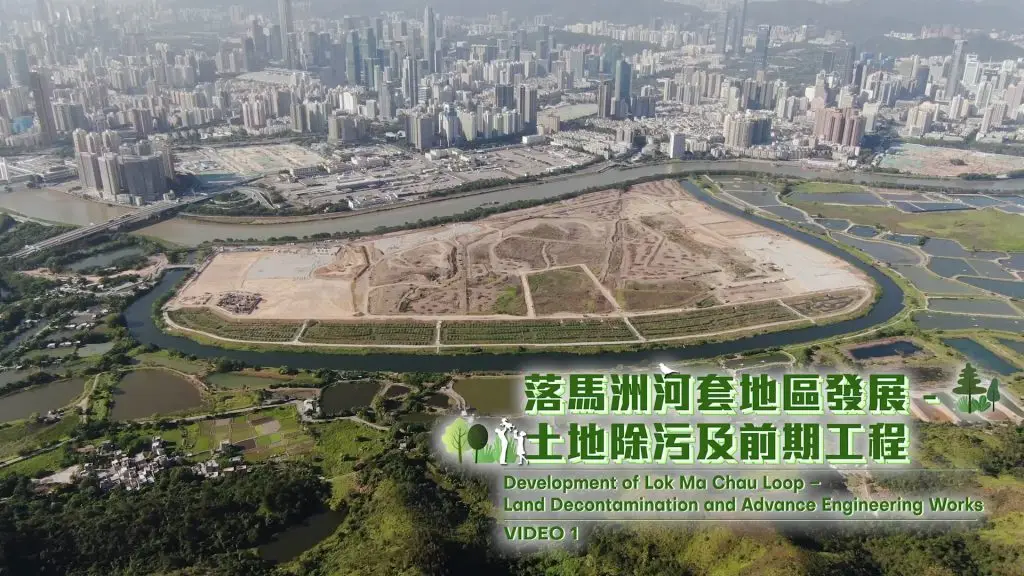
Time-lapse photography can continuously record every stage of a construction project, from foundation work to structural construction, interior decoration, and final completion. This method of documentation not only helps project managers monitor the progress of the construction but also allows for the timely identification of issues and adjustments to plans.
Communication Tool
For construction companies, time-lapse photography is an effective tool for client communication. By showcasing the entire process of a construction project from start to finish, clients can visually see the real effects of their investments, which helps to enhance their trust and satisfaction.
Marketing and Presentation
Videos produced through time-lapse photography can be used across various marketing channels such as company websites, social media, trade shows, and investor presentations. These videos not only display the company’s technical and professional capabilities but also attract the attention of potential clients and partners.
Legal and Contractual Documentation
In construction projects, time-lapse photography can also serve as evidence for legal and contractual compliance. In the event of disputes, the continuous visual record provided by time-lapse photography can serve as crucial reference material.
Education and Training
Time-lapse videos can demonstrate construction techniques and engineering methods, becoming a powerful tool for educating new employees or students. These visual materials can help them better understand the complex construction processes and engineering details.
Performance Monitoring
For some special construction projects, such as large bridges and high-rise buildings, time-lapse photography can be used to monitor the behavior and performance of structures during construction. This is crucial for ensuring the safety and performance of the projects.
Implementation Details
When implementing time-lapse photography in construction engineering, the following technical details need to be considered:
- Camera Positioning: Choose optimal camera positions to ensure coverage of the entire construction site.
- Equipment Protection: Ensure that the photography equipment can withstand harsh weather and onsite dust.
- Data Backup and Storage: Regularly back up image data to prevent data loss.
- Post-Production: Editing and post-processing are key steps in producing high-quality time-lapse videos.
Time-lapse photography not only enriches the documentation and presentation of construction engineering but also enhances the efficiency and transparency of project management. As technology advances, its application scope and functionality are expected to continue expanding.
Future Prospects of Time-Lapse Photography
With continuous technological advancements, the possibilities for time-lapse photography are also expanding. In the future, with the integration of artificial intelligence and machine learning technologies, the shooting and production of time-lapse photography will become more intelligent and automated, capable of operating under more conditions and environments. Additionally, with the development of virtual reality technology, time-lapse photography may also be used to create more immersive viewing experiences.
Time-lapse photography is not just a photographic technique; it is an art of observing and recording the passage of time. It reminds us that even small and slow changes are part of the universe’s constant evolution. Through time-lapse photography, we can appreciate the world from a new perspective, experiencing the beauty and mystery brought by the passage of time.
Visual Media Limited is your professional choice!
If you want to learn more about the pricing details of video production, feel free to contact our team. At Visual Media, our professional team with over 25 years of video production experience is well-recognized in the industry. Our account managers will discuss your needs in detail and provide the most suitable production plan for each client, creating value for your brand!