Videographer vs Cameraman: Understanding the Differences and Similarities
In the realm of video production and filmmaking, the roles of a videographer and a cameraman are critical yet often misunderstood. Both professionals play essential roles in creating visual content, but their responsibilities, skill sets, and work environments can differ significantly. This comprehensive guide aims to clarify these roles, emphasizing their similarities and differences, which could be crucial for aspiring filmmakers or businesses looking to hire the right talent for their projects.
Understanding the Basics
What is a Videographer?
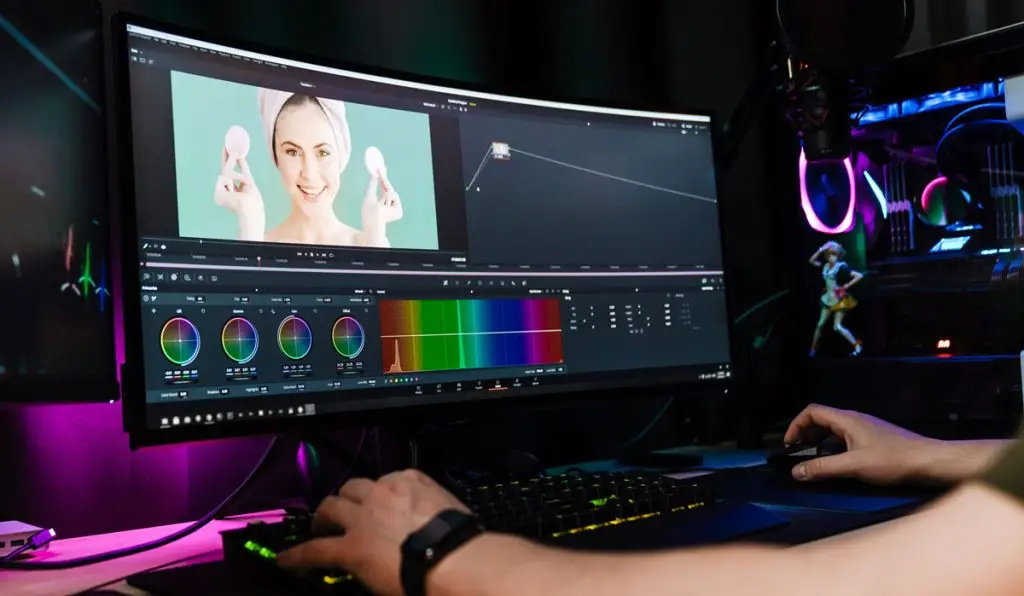
A videographer is typically a jack-of-all-trades in the video production world. This role often requires handling everything from shooting video, editing, sound recording, and sometimes even directing small-scale projects. Videographers are usually associated with event videos, corporate promotions, weddings, documentaries, and other projects that require a more hands-on approach from start to finish.
What is a Cameraman?
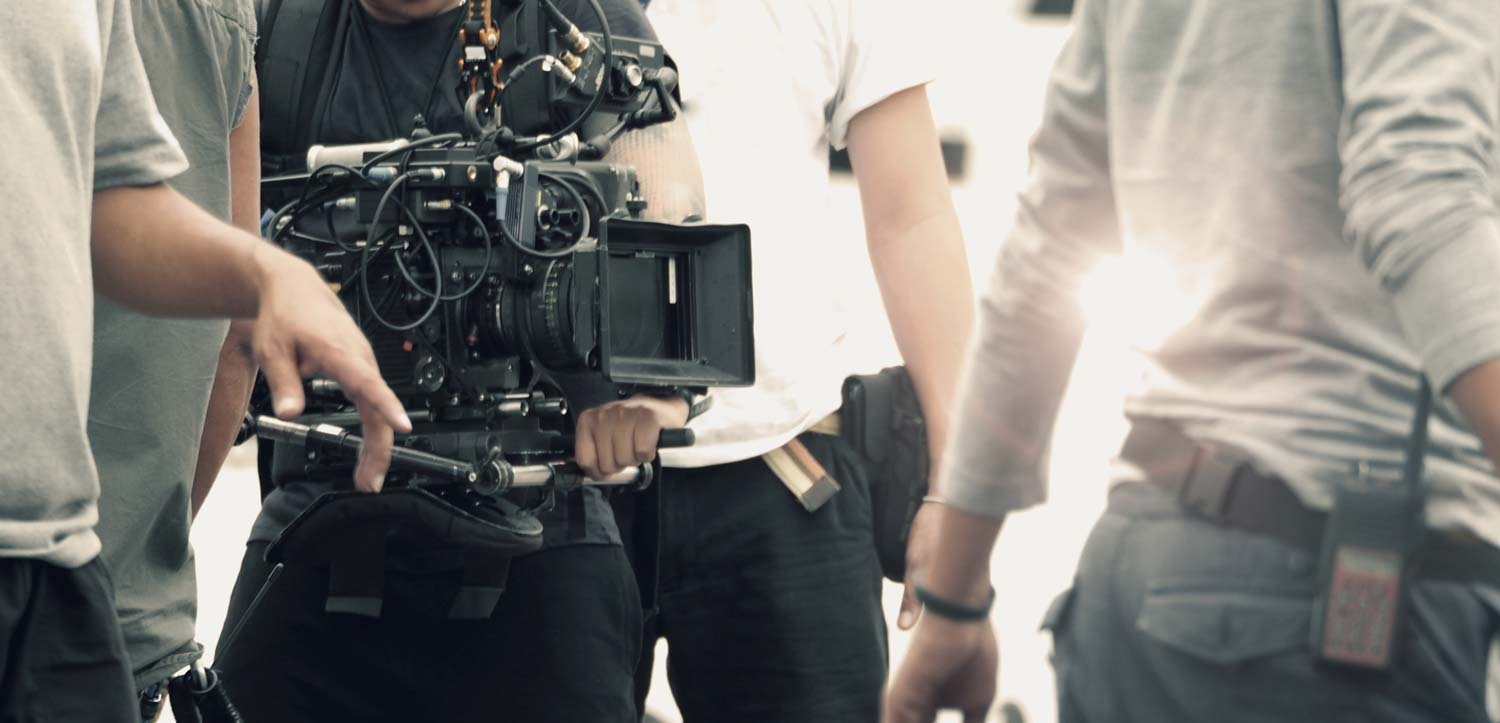
A cameraman, on the other hand, is generally more specialized. This role focuses primarily on operating the camera to capture high-quality video footage. Cameramen are often part of larger crews in settings like television broadcasts, film production, live events, and large-scale commercials. They work under the direction of a director of photography or a director, focusing solely on framing, composition, and the technical aspects of capturing the footage.
Similarities Between Videographers and Cameramen
Despite their differences, videographers and cameramen share several key similarities:
Technical Proficiency
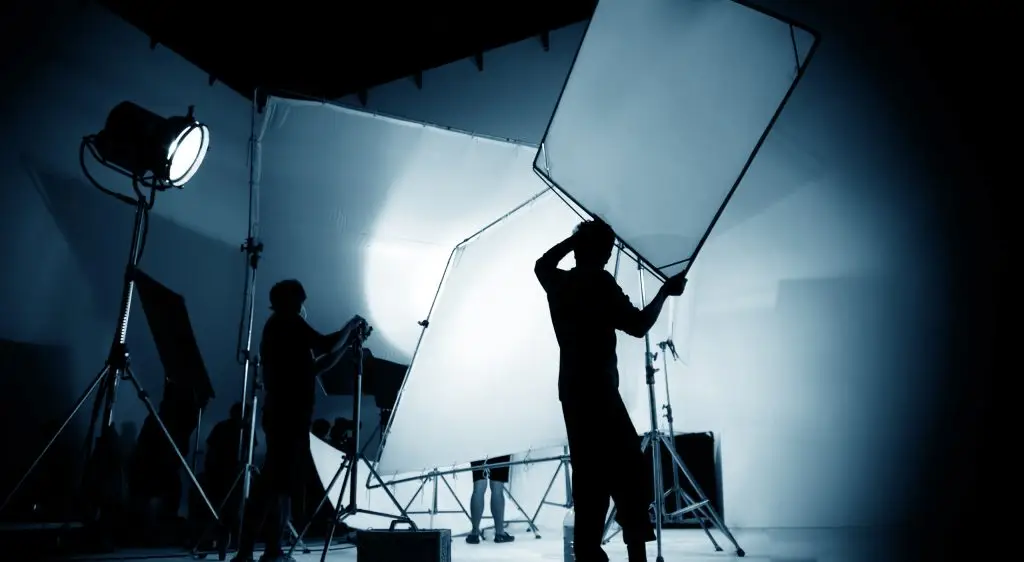
Both roles require a deep understanding of camera equipment, including knowledge about different types of cameras, lenses, and other filming accessories. Technical proficiency also involves understanding lighting, exposure, and audio equipment, which are crucial in producing quality video content.
Artistic Eye
Whether a videographer or a cameraman, having an artistic eye is essential. Both must have a good sense of composition, understanding of motion, and the ability to capture moments that effectively tell a story or convey the intended message.
Adaptability
Working in varying conditions and adapting to different environments is a common requirement for both roles. Whether it’s changing light conditions, moving subjects, or different locations, both videographers and cameramen must be flexible and skilled in handling unforeseen challenges during shoots.
Key Differences
Scope of Work
- Videographers are often one-person teams. They handle multiple aspects of production, from shooting to editing. This role is ideal for projects with smaller budgets or where a personal touch is needed.
- Cameramen typically focus only on shooting. They are part of larger teams where tasks like editing, sound, and lighting are handled by other specialists.
Creative Control
- Videographers usually have more creative control over their projects. They make decisions about the look and feel of the video, often working closely with the client to ensure the final product meets their vision.
- Cameramen generally have less creative input and focus more on executing the vision of the director or director of photography. They need to adapt their shooting style to match the creative direction of the project.
Work Environment
- Videographers often find themselves working in varied environments, from corporate events to intimate weddings. They need to be adept at working independently and making quick decisions.
- Cameramen are more likely to be found on set or at large event venues. They work as part of a broader production team and their work is more structured and defined.
Equipment Used
- Videographers typically operate with smaller, more portable setups. They might use DSLRs, mirrorless cameras, or compact camcorders that are conducive to one-person operation.
- Cameramen might use more complex camera rigs, including high-end cinema cameras like ARRI or RED, especially in film and television production settings.
Conclusion
Choosing between a videographer and a cameraman depends primarily on the project’s scale, budget, and specific needs. For personal events or small-scale corporate videos, a videographer could be more suitable due to their versatility and ability to manage multiple aspects of production. For larger, more complex projects requiring high production values, a cameraman or a team of camera operators might be necessary to focus solely on capturing the best possible footage.
Understanding these roles not only helps in making hiring decisions but also in appreciating the distinct contributions each professional makes to the world of video production. Whether capturing a live event or crafting a cinematic masterpiece, the skills of both videographers and cameramen continue to be indispensable in the ever-evolving landscape of visual storytelling.
Visual Media Limited is your professional choice!
If you want to learn more about the pricing details of video production, feel free to contact our team. At Visual Media, our professional team with over 25 years of video production experience is well-recognized in the industry. Our account managers will discuss your needs in detail and provide the most suitable production plan for each client, creating value for your brand!