

Client: Adventist Hospital
Duration: 06:48
Language: English/Cantonese/Putonghua
Video Ownership: The Client
Video Production House: Visual Media Limited
Video Objective
The video aims to go beyond traditional medical promotions and delve into the essence of humanistic care. It is more than just a corporate video for Adventist Hospital; it’s a profound dialogue about empathy and perspective-taking.
The core of the video is the transition from our accustomed “self-perspective” to a “shared perspective” where we put ourselves in others’ shoes and show understanding. This is how the video conveys Adventist Hospital’s unique and patient-centered “SHARE” service philosophy.
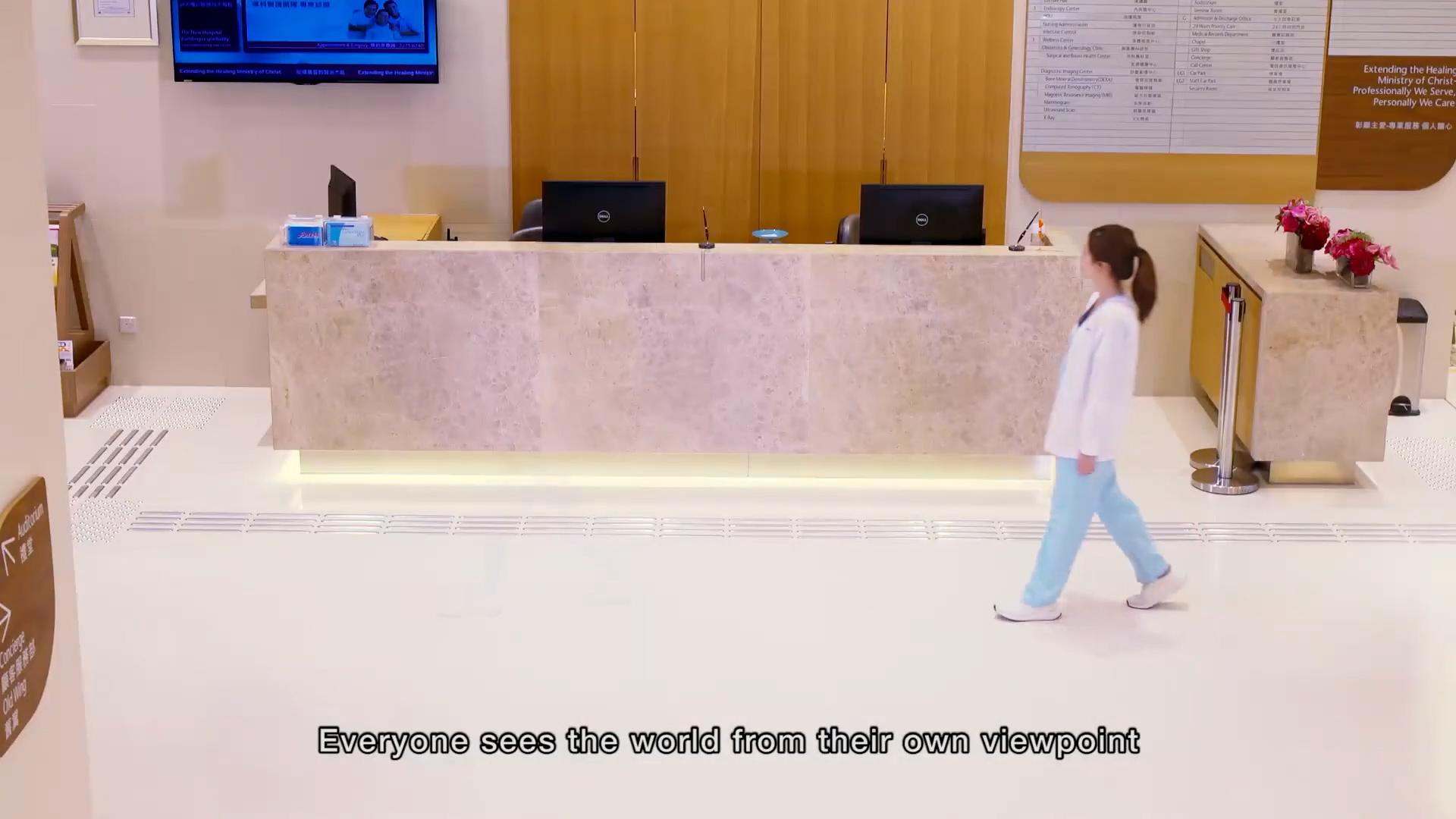
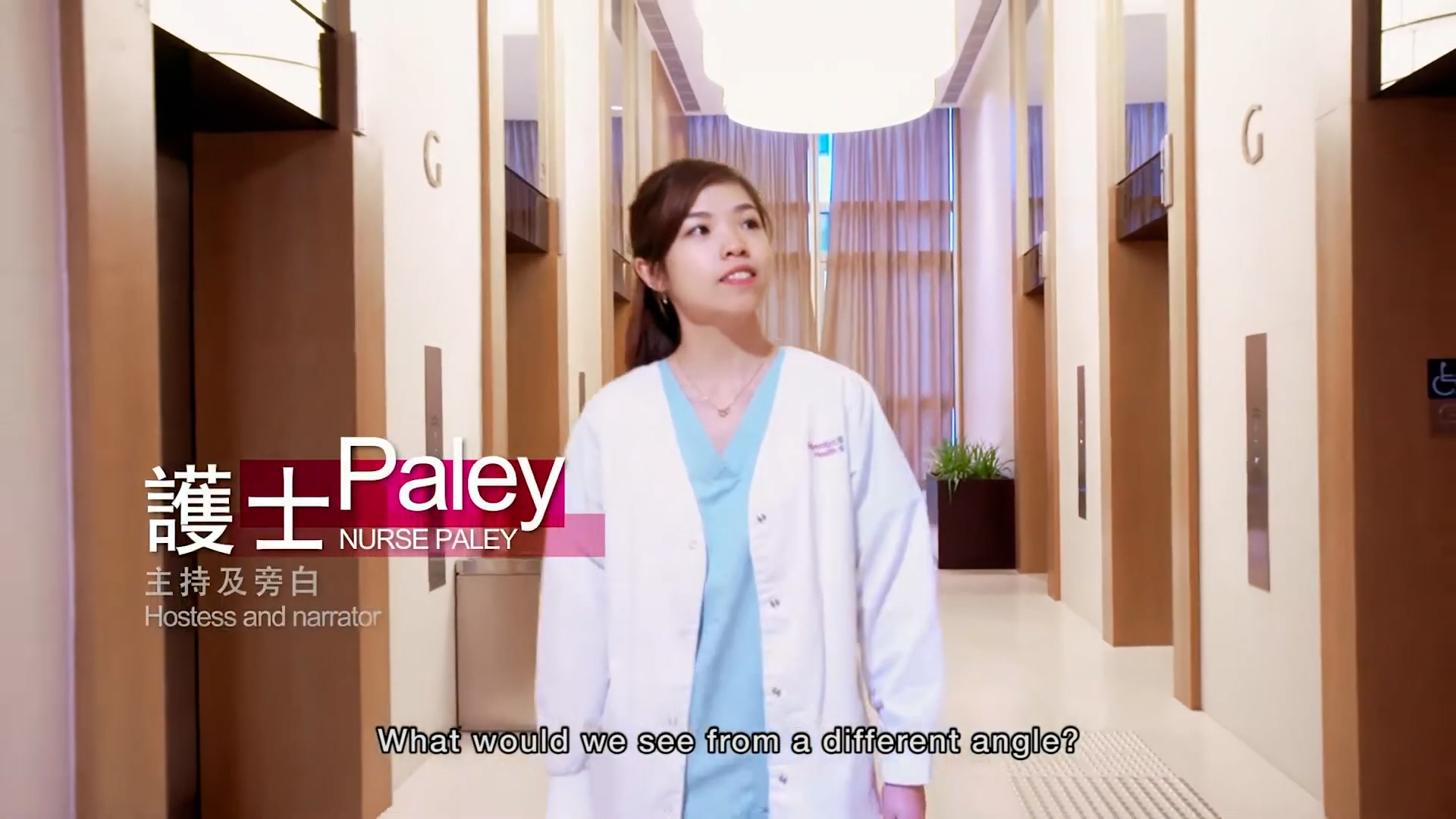
The video opens with a thought-provoking question that sets the theme: “We all see the world from our own familiar perspective. But what would we see if we changed our point of view?” This question establishes the emotional tone for the entire video, reminding the audience that the essence of medical service is not only to heal the body but also to comfort the soul. For healthcare professionals, the hospital is their daily workplace. For patients, however, it’s an unfamiliar environment filled with uncertainty and anxiety.
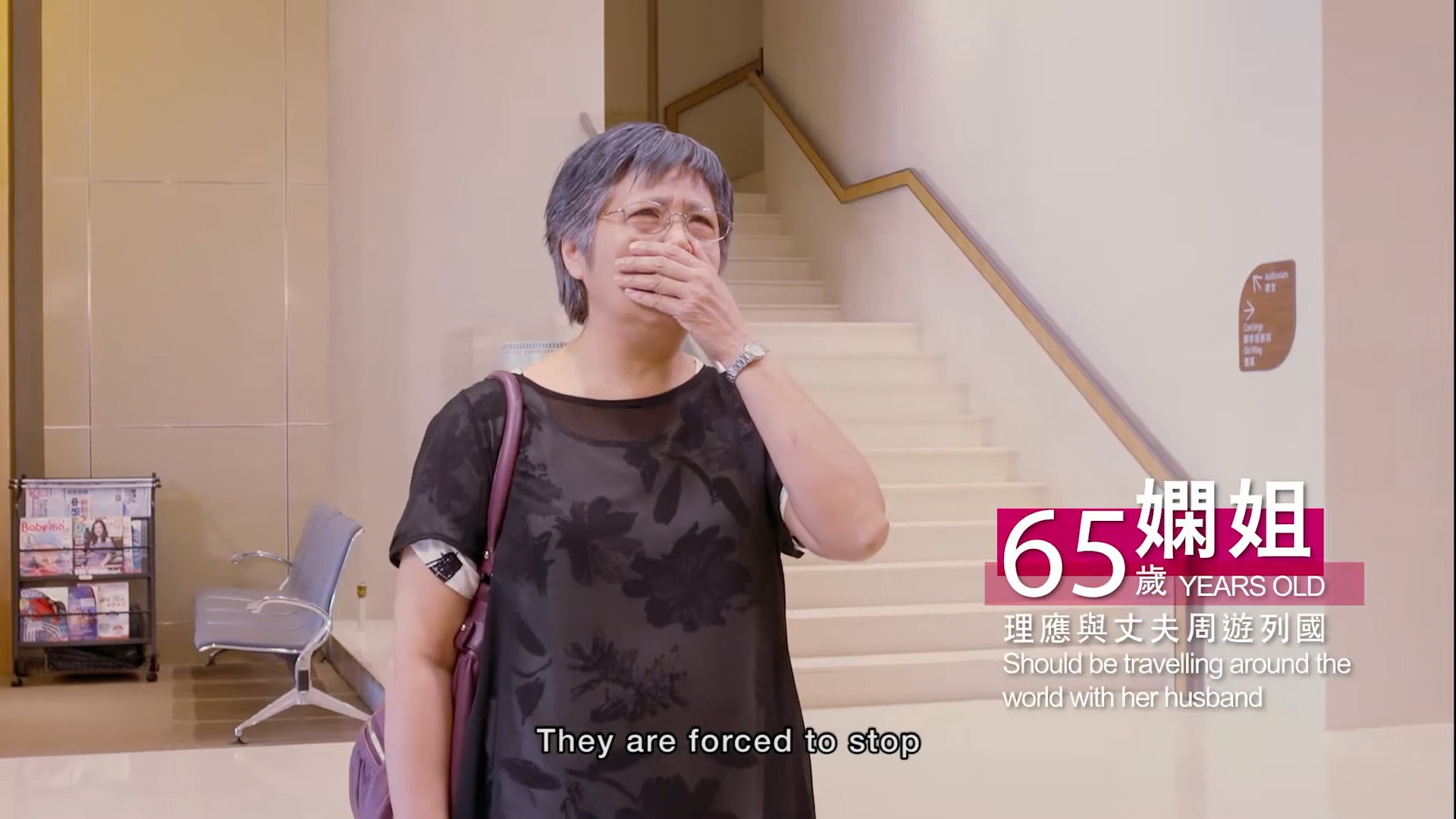
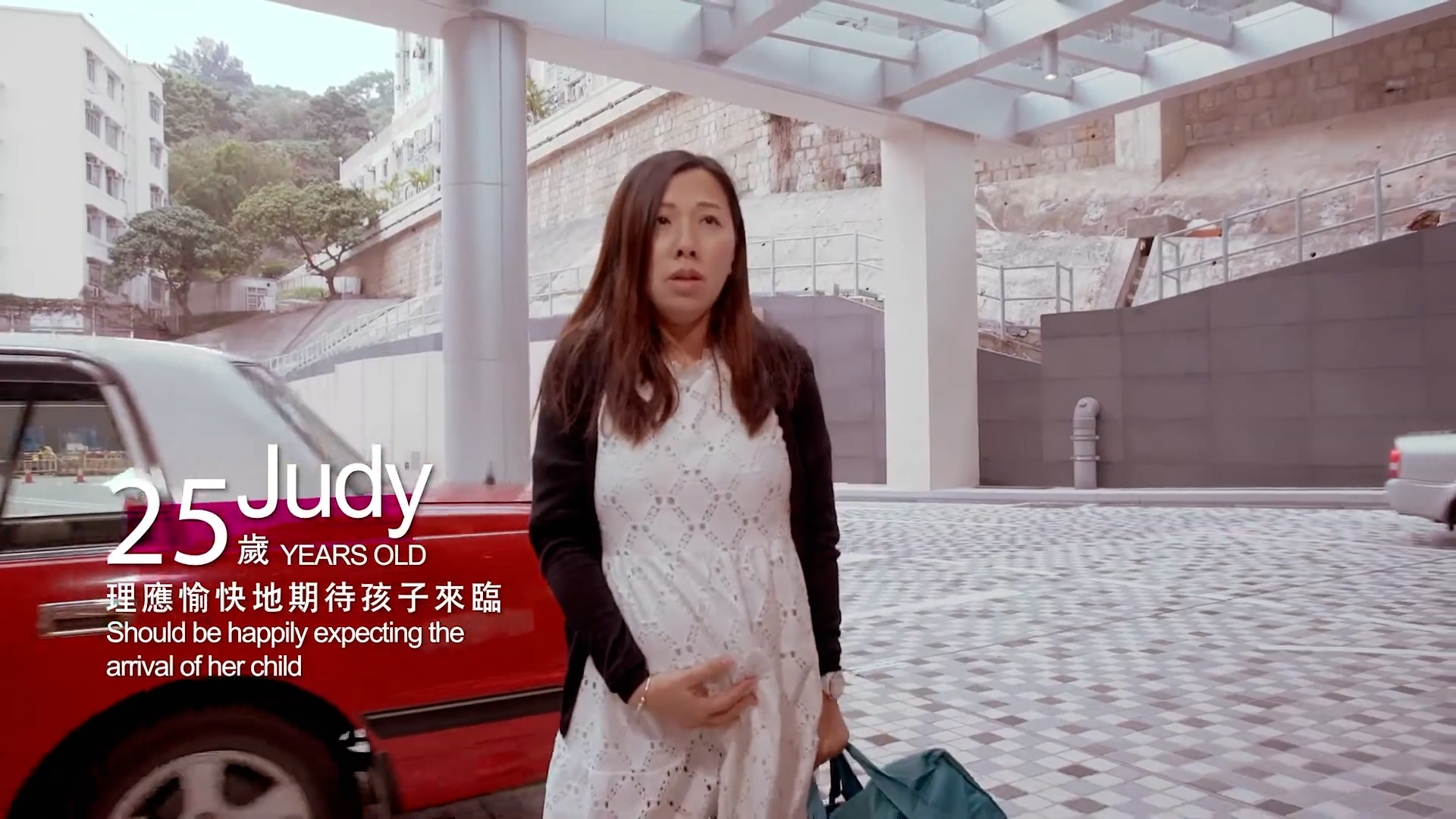
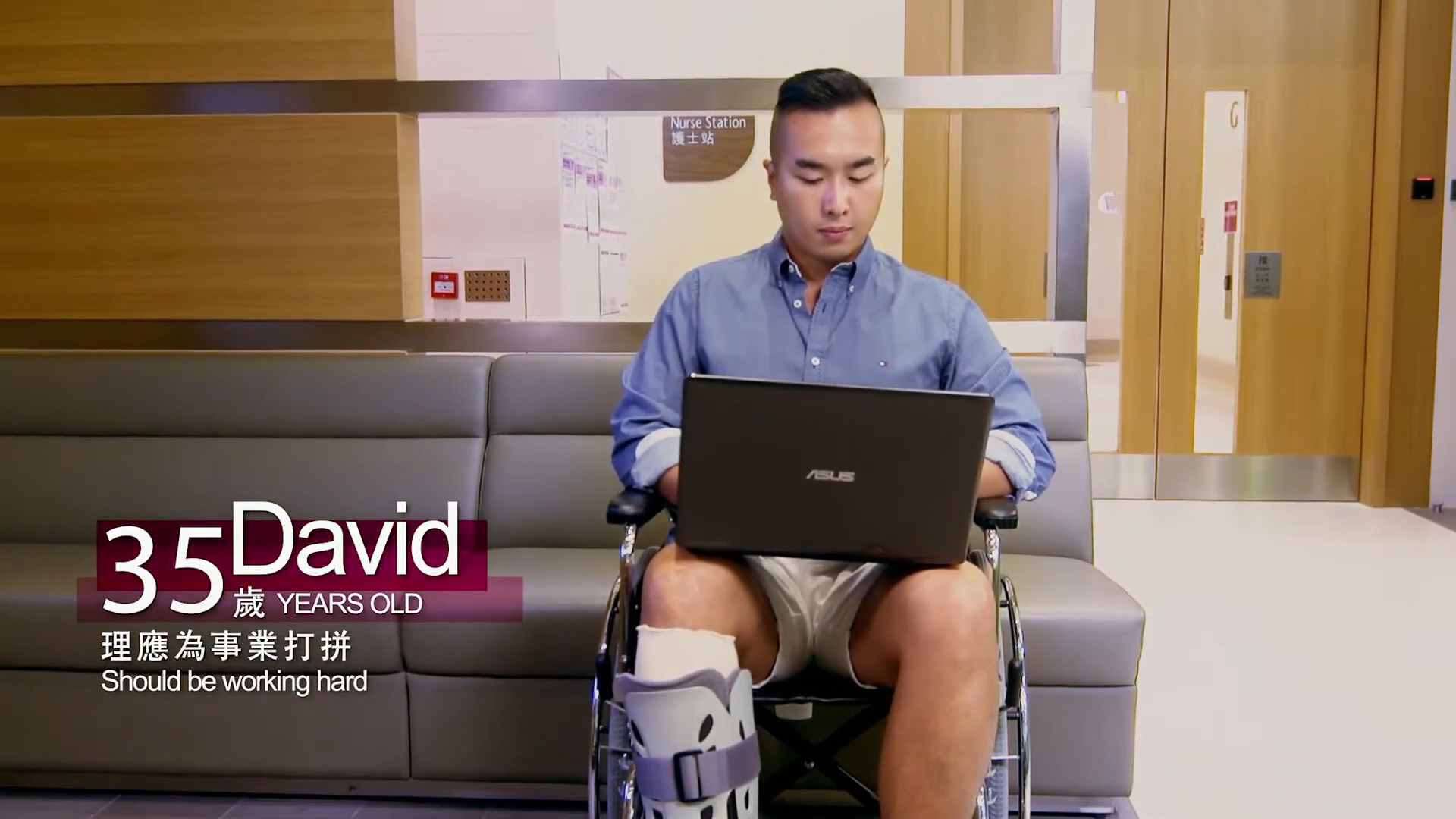
The video precisely captures this difference in perspective through the stories of four patients from different age groups and family backgrounds. They each represent different stages of life, from a vibrant young person to an elderly individual, from a single person to a pillar of a happy family. Their stories are interwoven to create a tapestry of life, showing us that in the face of illness, each person’s struggles and concerns are different, but their desire for dignity, care, and understanding is universal.
Challenges in Creating the Video
First, how to portray four completely different characters in a limited time, and allow the audience to have enough empathy for them. The four characters span different stages of life, and their pain, emotions, and needs are also vastly different. To avoid the characters becoming stereotypical symbols, and at the same time to quickly allow the audience to understand their predicament, this is a huge narrative challenge.
Second, how to concretize abstract concepts such as “empathy” and “care” in the video. Relying solely on verbal descriptions or sentimental shots is far from enough. The video needs a clear and communicable action framework so that both the audience and the hospital staff can clearly understand the specific practice of “patient-centeredness”. This is not only related to the depth of the video’s narrative, but also directly affects its practicality for education and propaganda.
Finally, how to maintain a positive and hopeful tone while presenting the pain and predicament of the patients. The purpose of the video is not to create a tragic atmosphere, but to convey hope and warmth. The production team must carefully handle the expression of emotions, both to truly reflect the vulnerable moments of the patients, and ultimately to lead to a message of light and rebirth.
Solutions
First, in terms of character portrayal, the video abandons a single protagonist narrative in favor of a “multi-perspective interwoven” narrative structure. Although the stories of the four main characters are independent, they form an organic whole through clever editing and emotional resonance in the camera language. This approach effectively avoids the tediousness of a single character’s story while allowing the audience to find resonance in different life experiences. For example, the youth’s loss and confusion, the middle-aged person’s responsibility and pressure, and the elderly person’s loneliness and release, these emotional fragments are interwoven to jointly construct a diverse emotional ecosystem within the hospital. This design makes the audience feel as if they have walked through the hospital, experiencing the different facets of life in different wards.
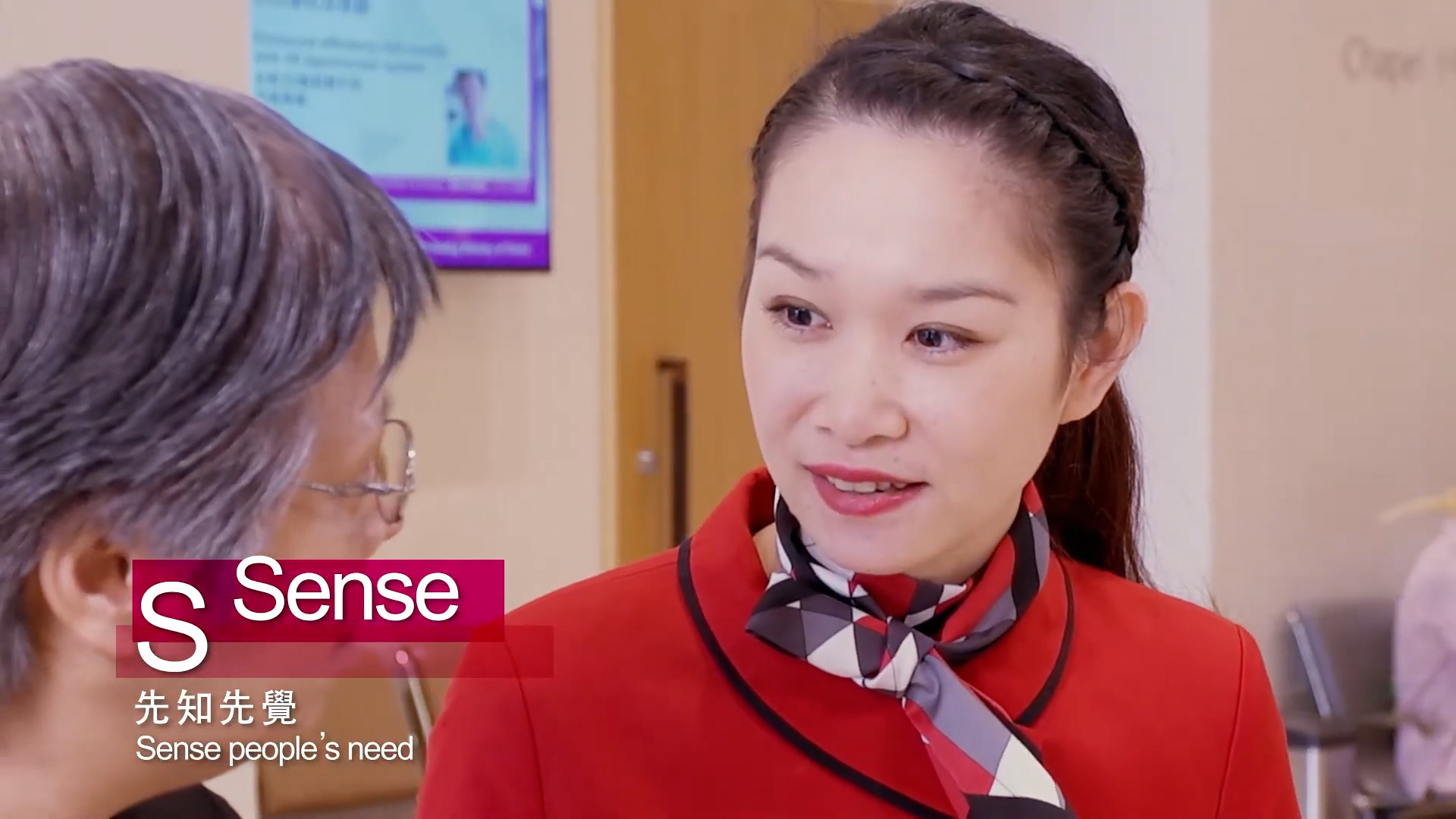
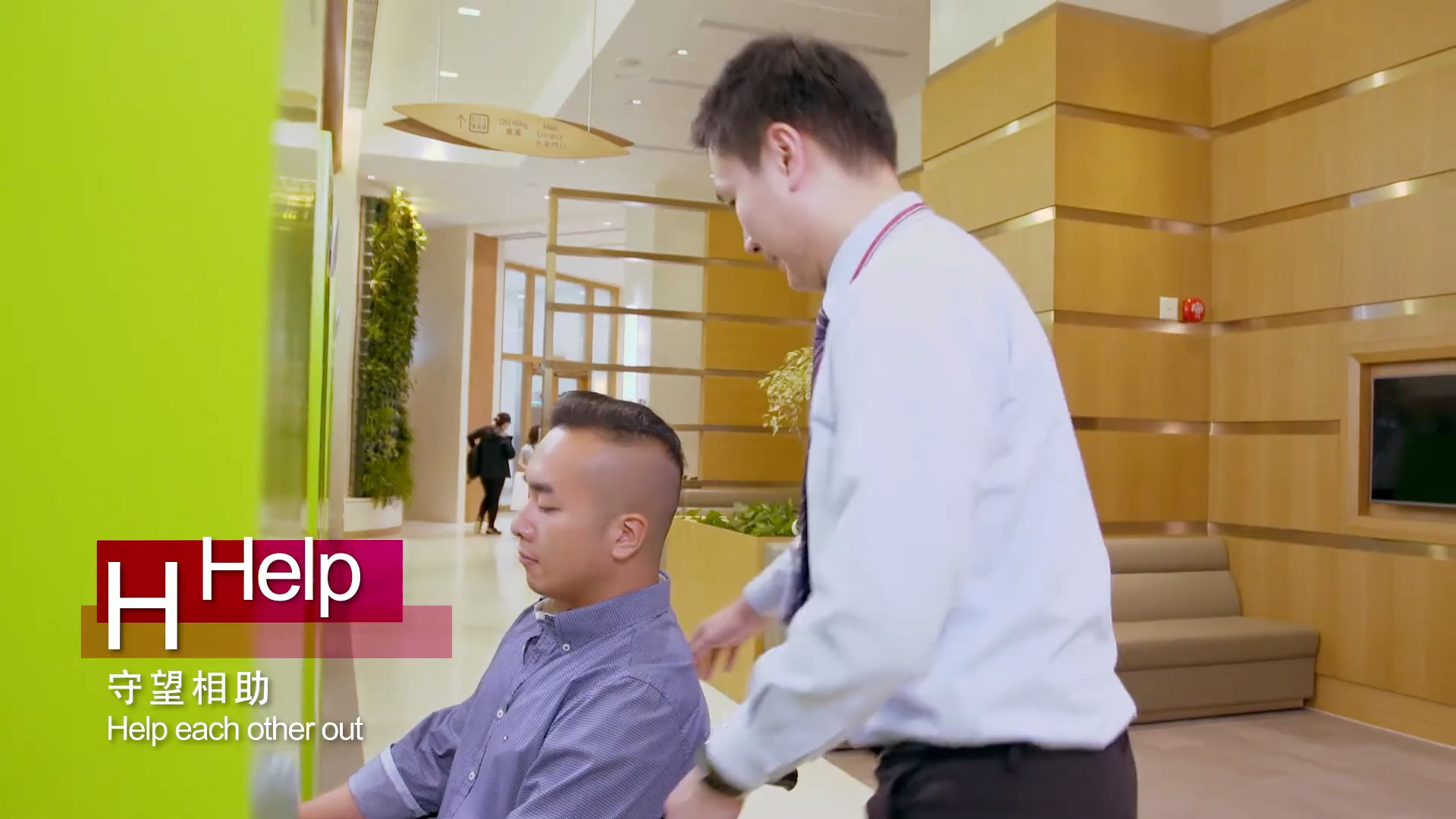
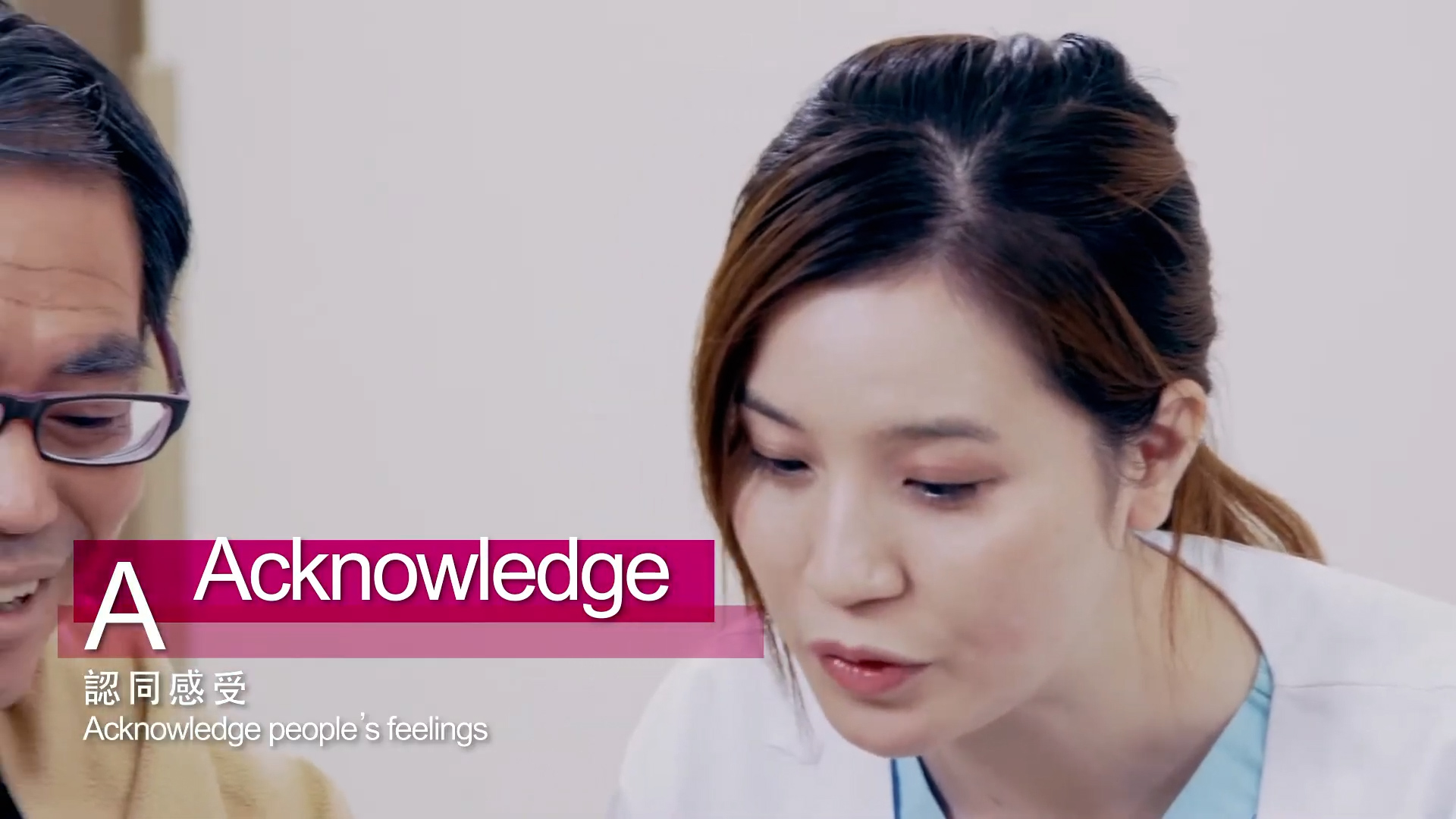
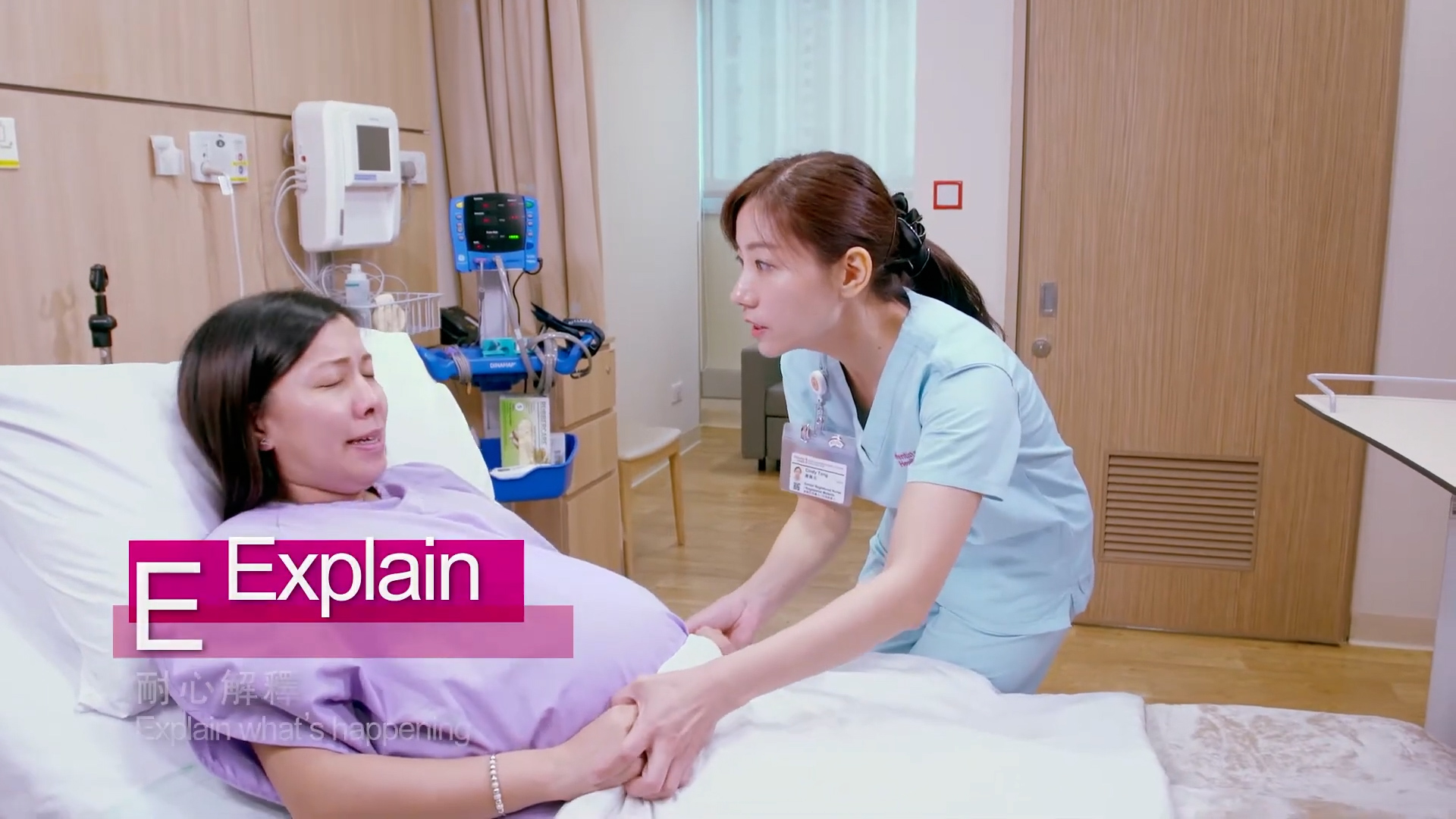
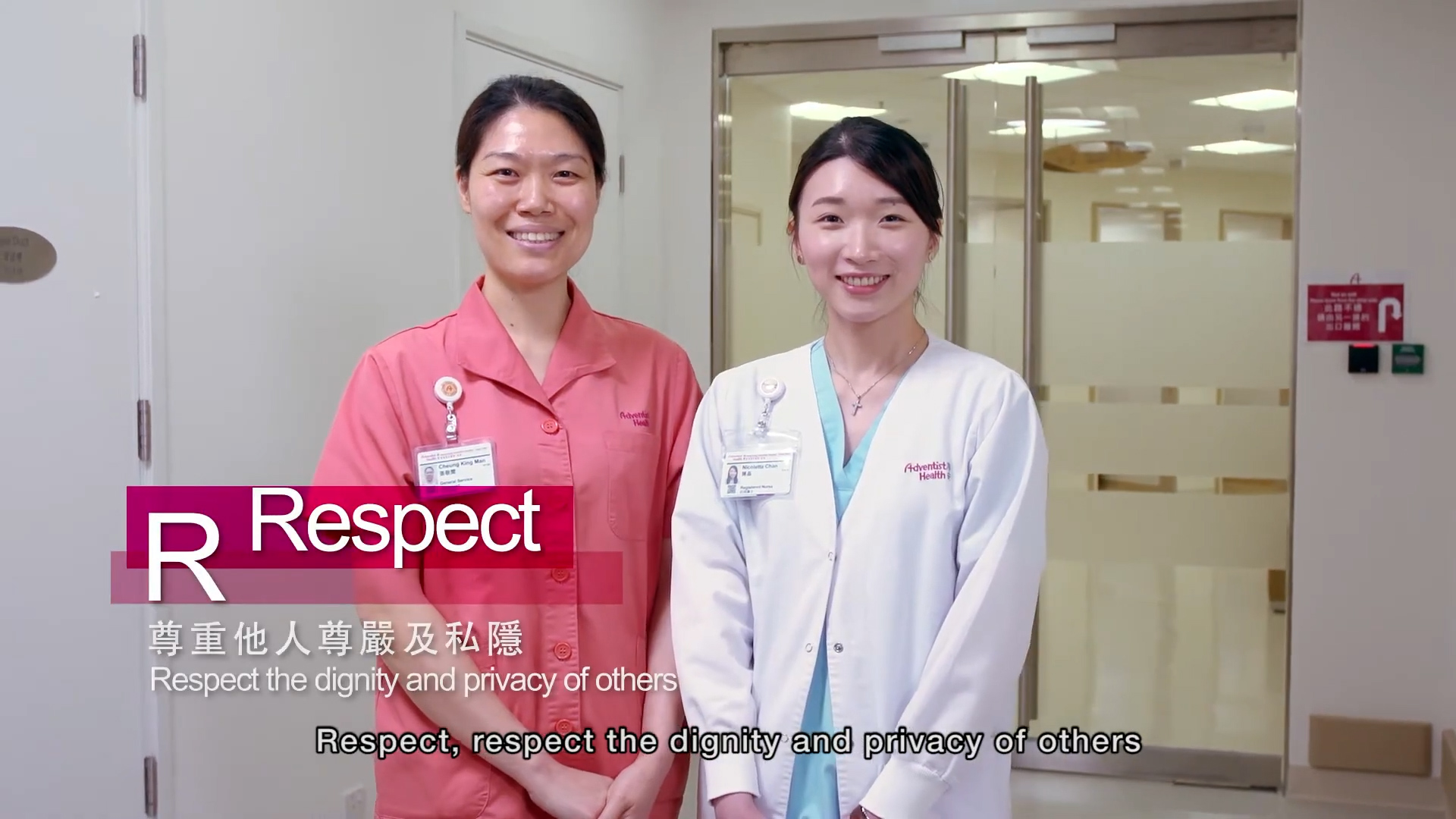
Second, the video uses Adventist Hospital’s “SHARE” concept as the core narrative backbone. These five English letters are not just slogans, but have become the key clues connecting the video’s stories and solutions. Sense (Sense people’s need), Help (Help each other out), Acknowledge (Acknowledge people’s feelings), Respect (Respect the dignity and privacy of others), Explain (Explain what’s happening) – these specific action guidelines are cleverly integrated into the details of the interactions between healthcare staff and patients. For example, a nurse who senses a patient’s anxiety before they even speak is an embodiment of “Sense”; a social worker who offers a helping hand when a patient is helpless is an example of “Help”. Through this specific camera language, the abstract concept of “empathy” becomes clear and tangible.
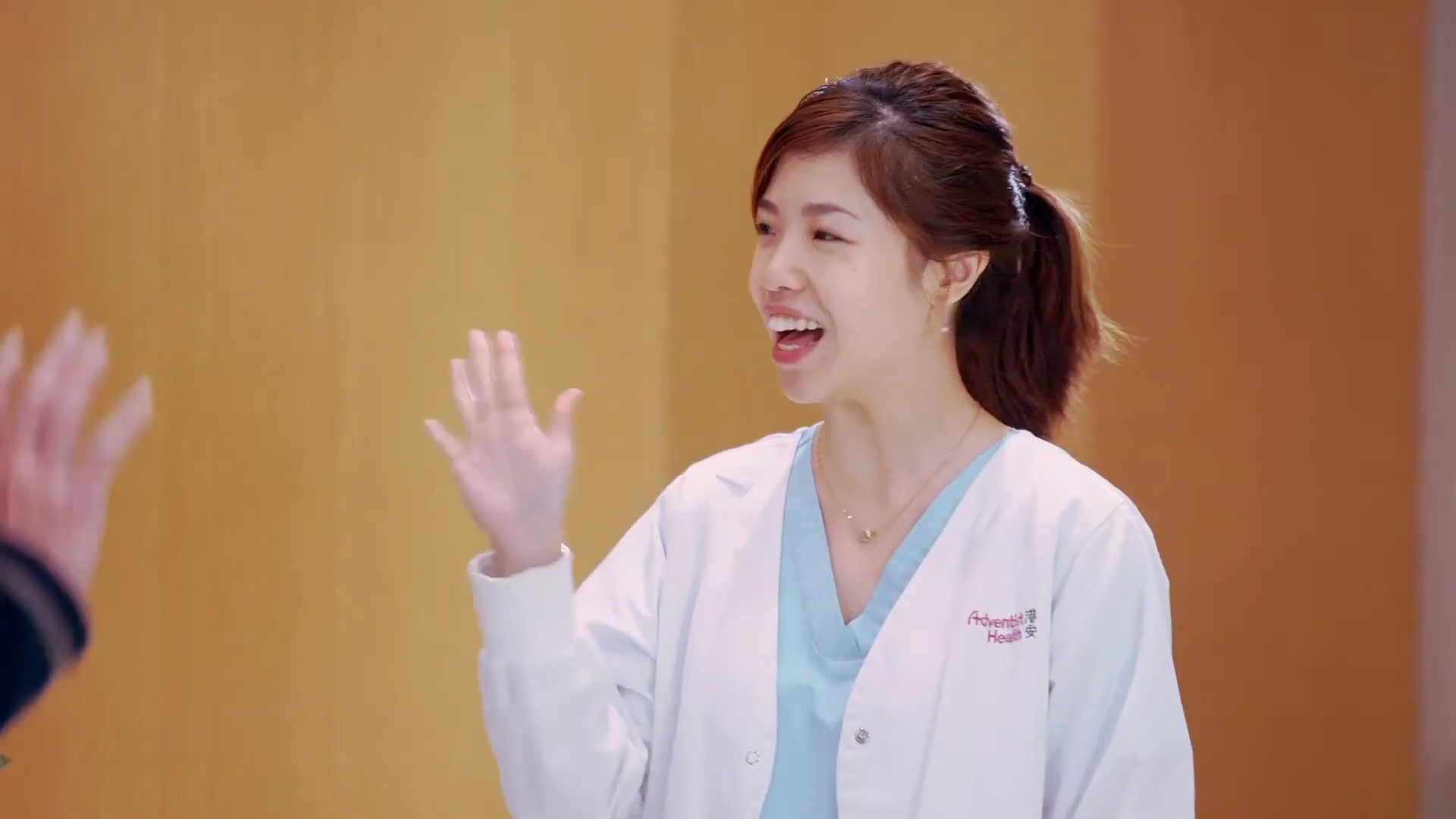
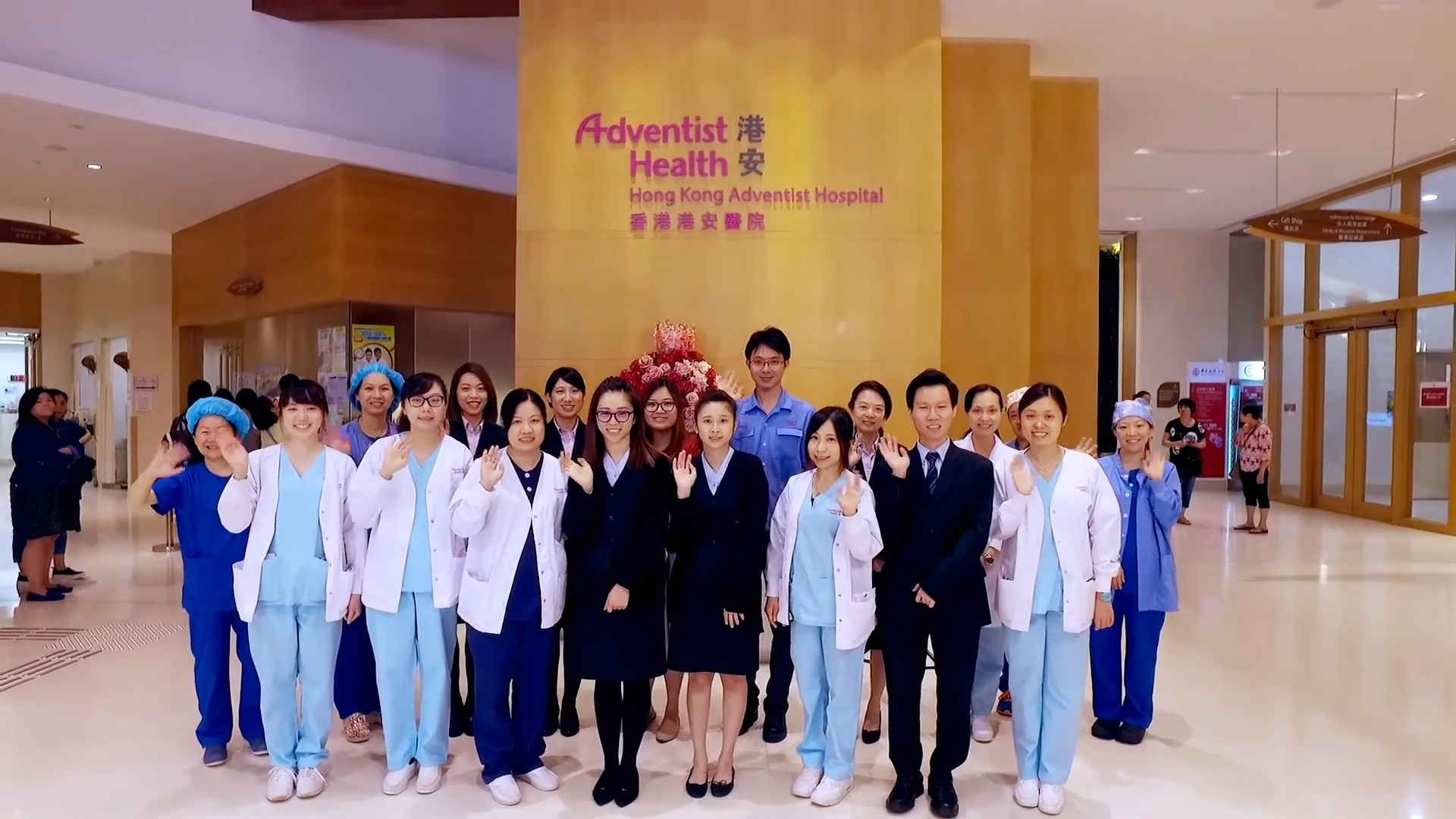
Finally, the video’s visual style and music selection are also carefully designed to balance the presentation of pain and hope. The first half of the video may have more quiet and introspective shots, reflecting the patient’s unease. However, as the “SHARE” concept gradually unfolds, the shots will gradually become brighter, and the music will become warm and powerful. At the end, when the patients’ brilliant smiles reappear under the care of the healthcare staff, this emotional sublimation makes the audience feel that the hospital is not only a place for healing but also a harbor full of human touch and hope.
Contributions
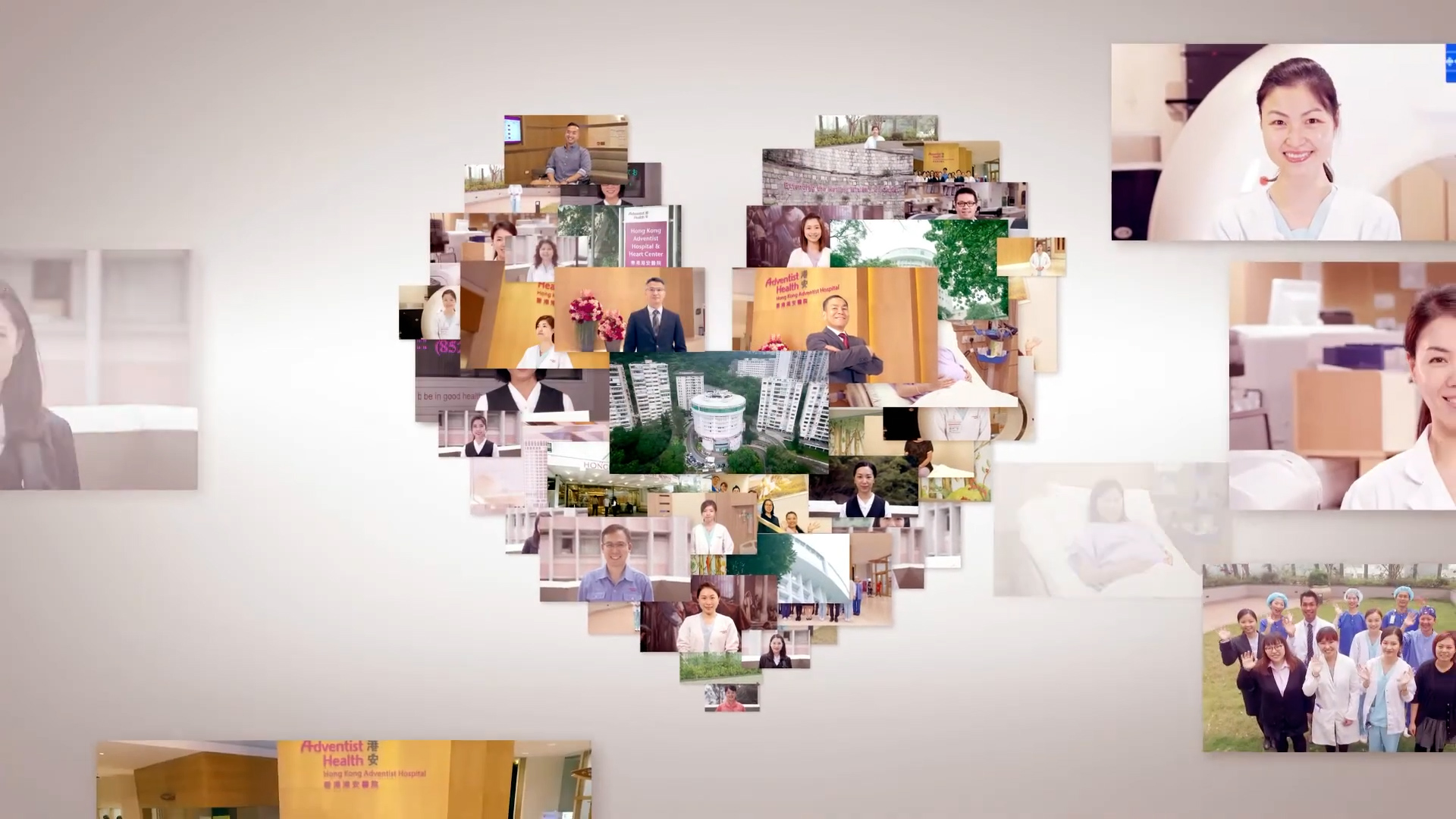
First, it successfully transforms the brand image of Adventist Hospital from a cold medical institution into a warm, humanistic care center. It demonstrates to the public that Adventist Hospital not only possesses top-notch medical technology but also has a heart that truly cares for patients. This has profound significance for enhancing the hospital’s public trust and brand reputation.
Second, this video is an extremely valuable tool for internal training and cultural promotion. Through the video, new healthcare staff can intuitively understand the essence of the “SHARE” philosophy and learn how to practice empathy in their daily work. It strengthens team cohesion and motivates all employees to treat every patient with higher enthusiasm and standards, thereby solidifying Adventist Hospital’s unique service culture.
More importantly, this video conveys a universal social value. It reminds us that no matter what our circumstances, we should try to put ourselves in others’ shoes and understand their needs and feelings. It encourages the public to show more understanding and care when dealing with friends, family, or strangers around them. The video transcends the scope of the hospital and becomes a social textbook on “how to become a more empathetic person.” Ultimately, as presented at the end of the video, when we truly “SHARE,” we can help patients smile again. This contribution belongs not only to Adventist Hospital but also to everyone touched by this warmth.