






Client: The Hong Kong Council of Social Service
Duration: 02:31
Language: English/Cantonese/Putonghua
Video Ownership: The Client
Video Production House: Visual Media Limited
Video Objective
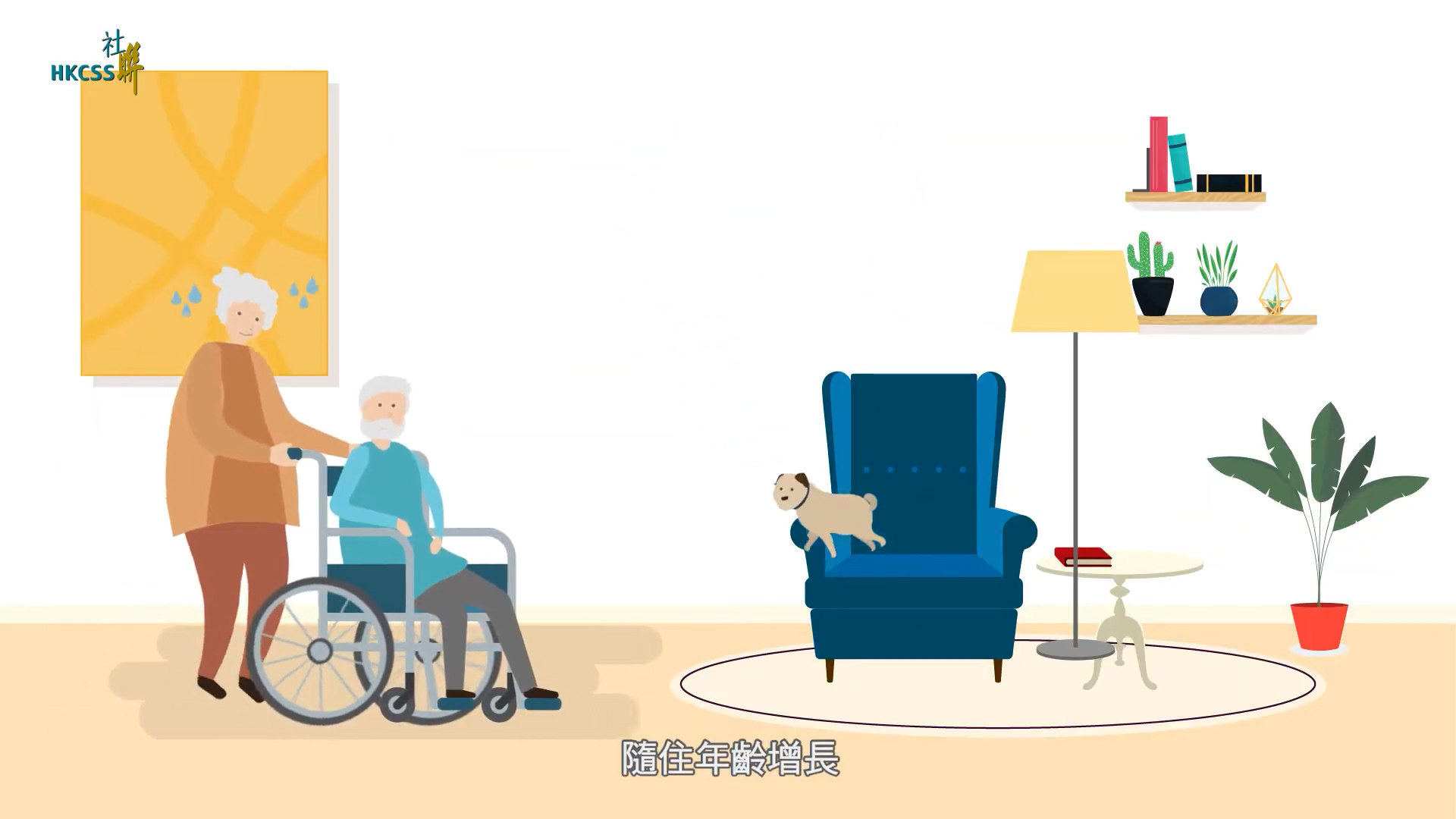
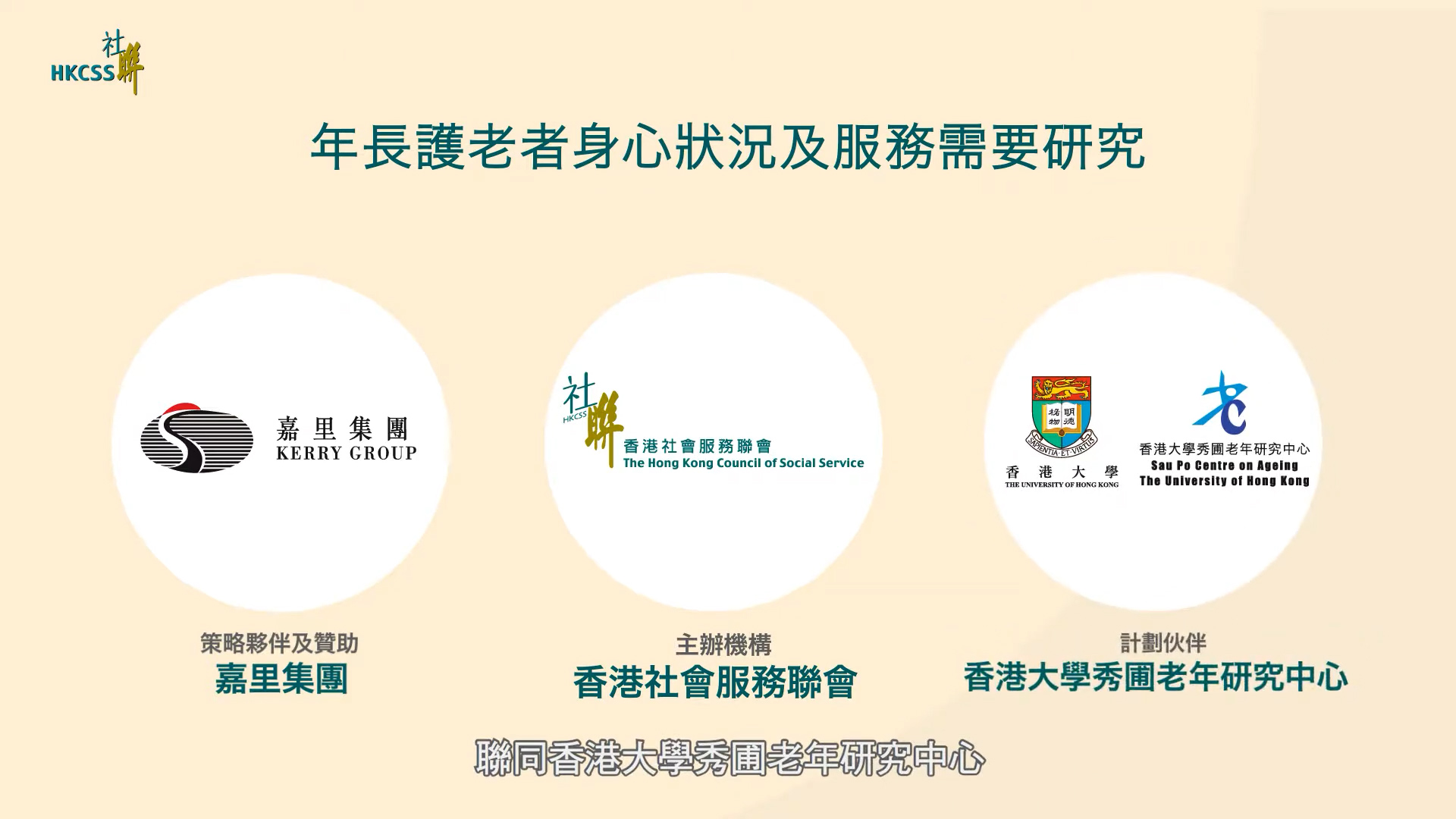
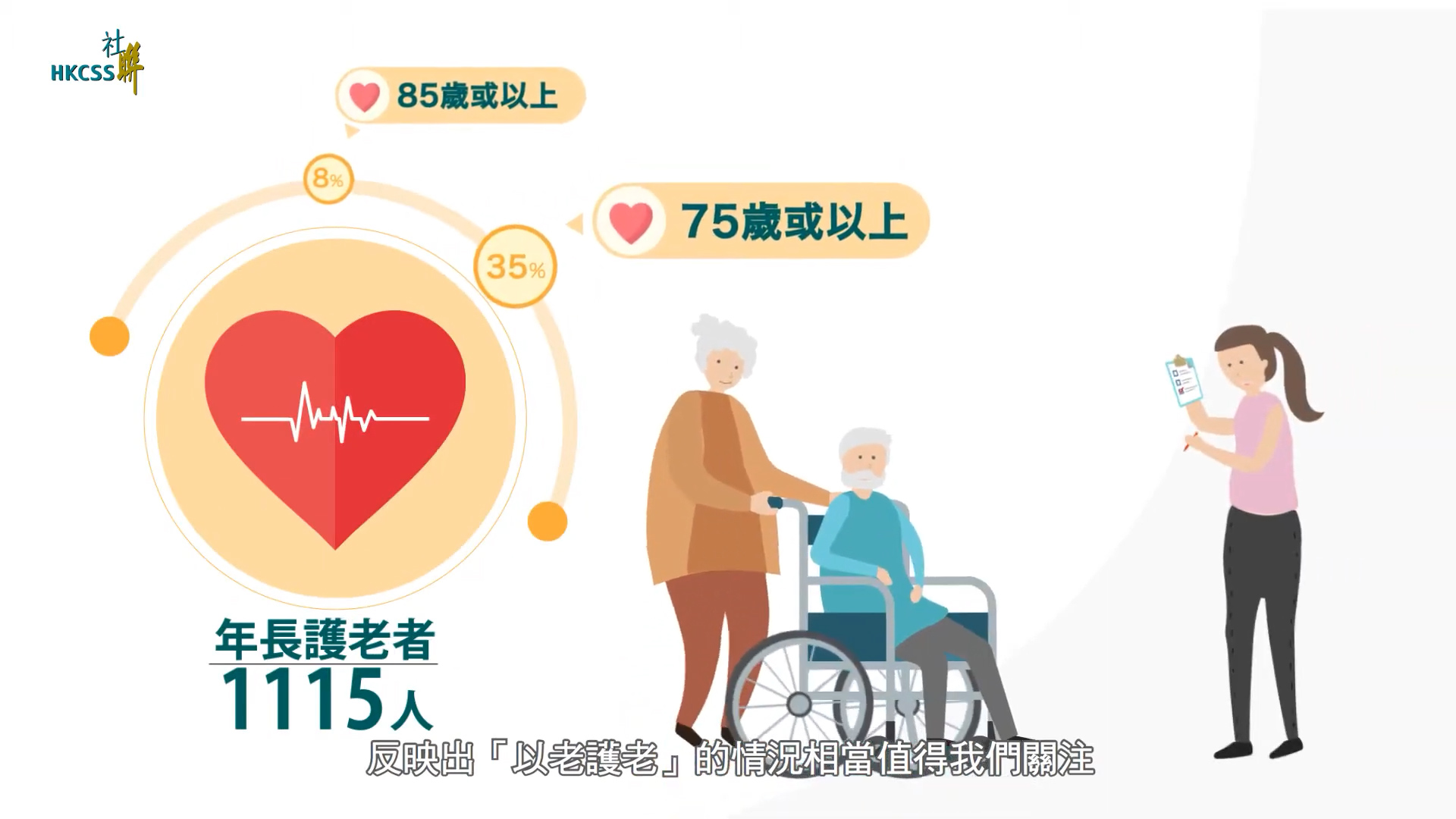
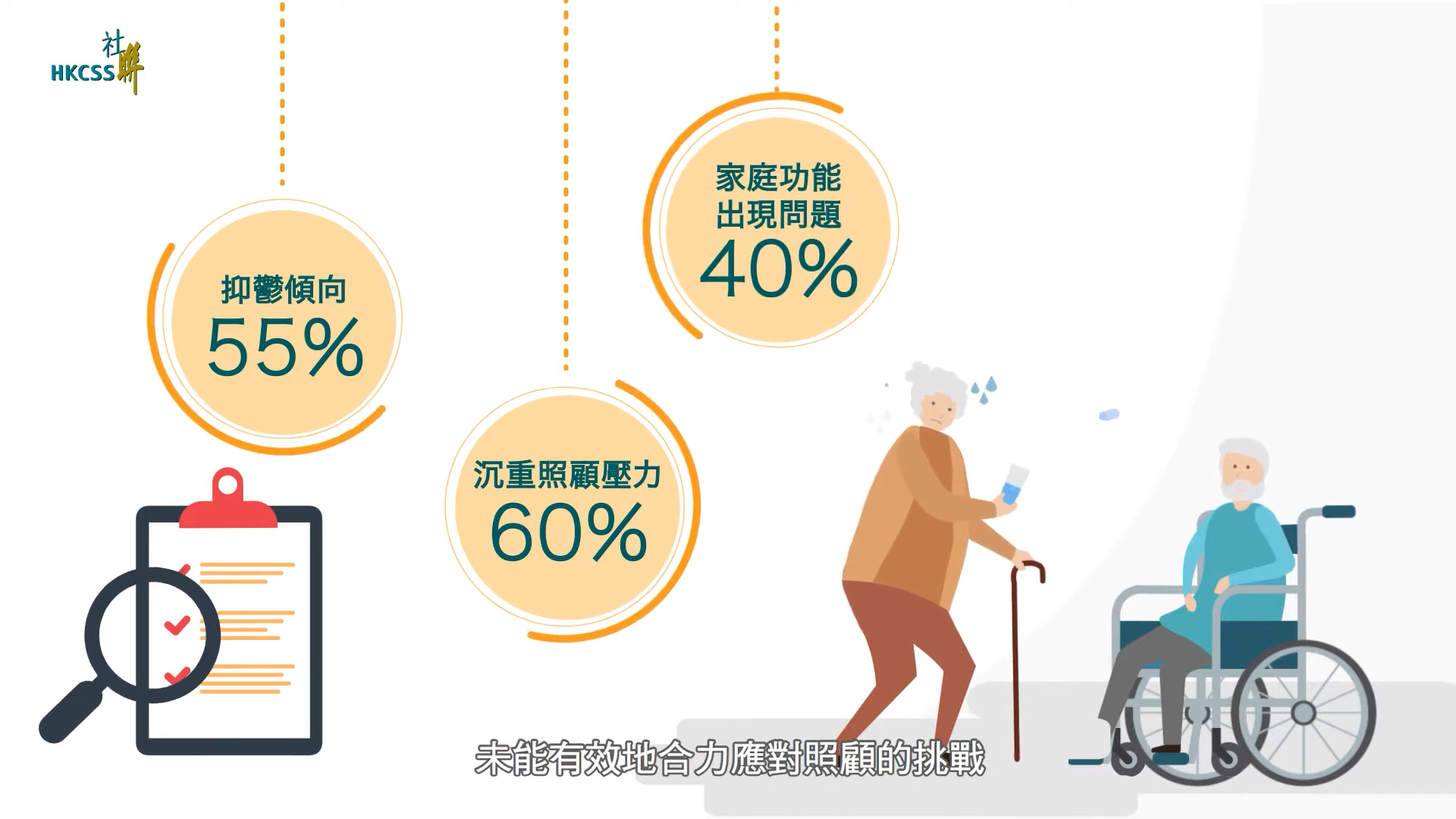
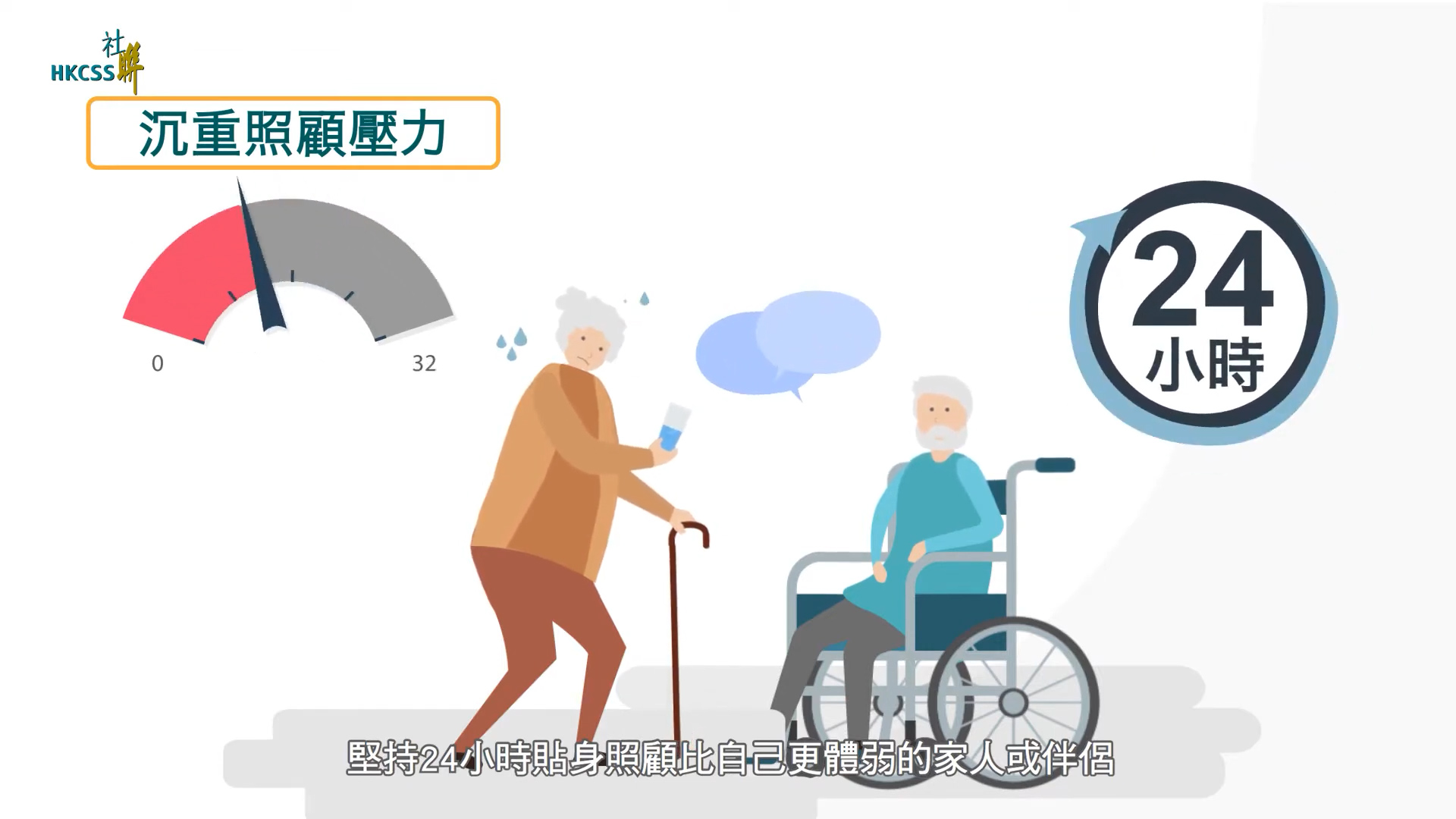
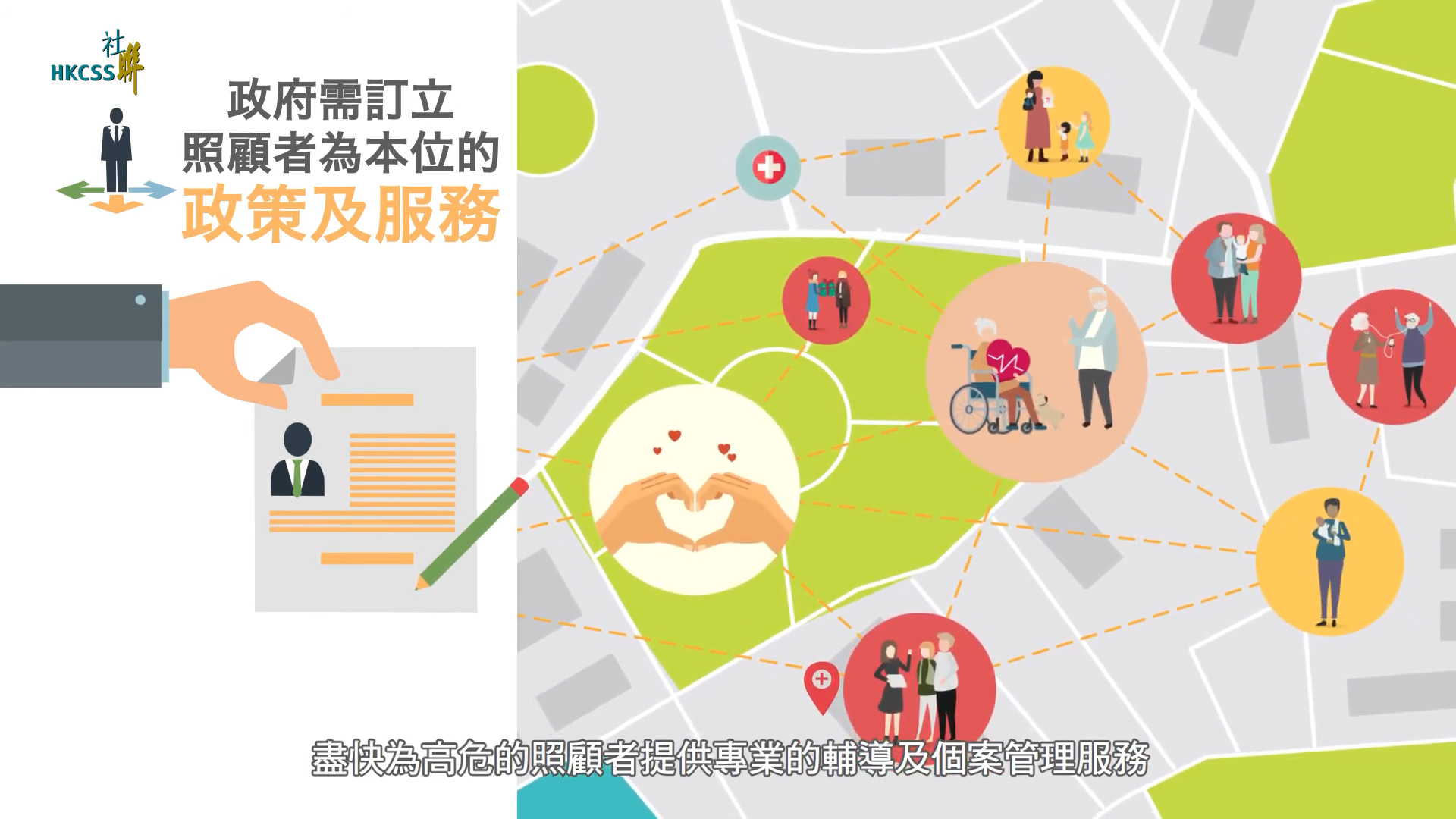
This video was commissioned by the Hong Kong Council of Social Service (HKCSS) and aims to explore in depth the physical and mental health status and service needs of elderly people and their caregivers in Hong Kong. As the population ages, the hidden pressures and needs of elderly caregivers have gradually surfaced. The video presents a comprehensive picture of the multifaceted challenges faced by the elderly and their caregivers in terms of daily life, health, and social support, using empirical research data combined with interviews and case studies. It calls on all sectors of society to pay attention and enhance related support services.
The main purposes of this video are:
- To raise public awareness and concern about elderly care issues, especially those caregivers who quietly dedicate themselves within families and communities.
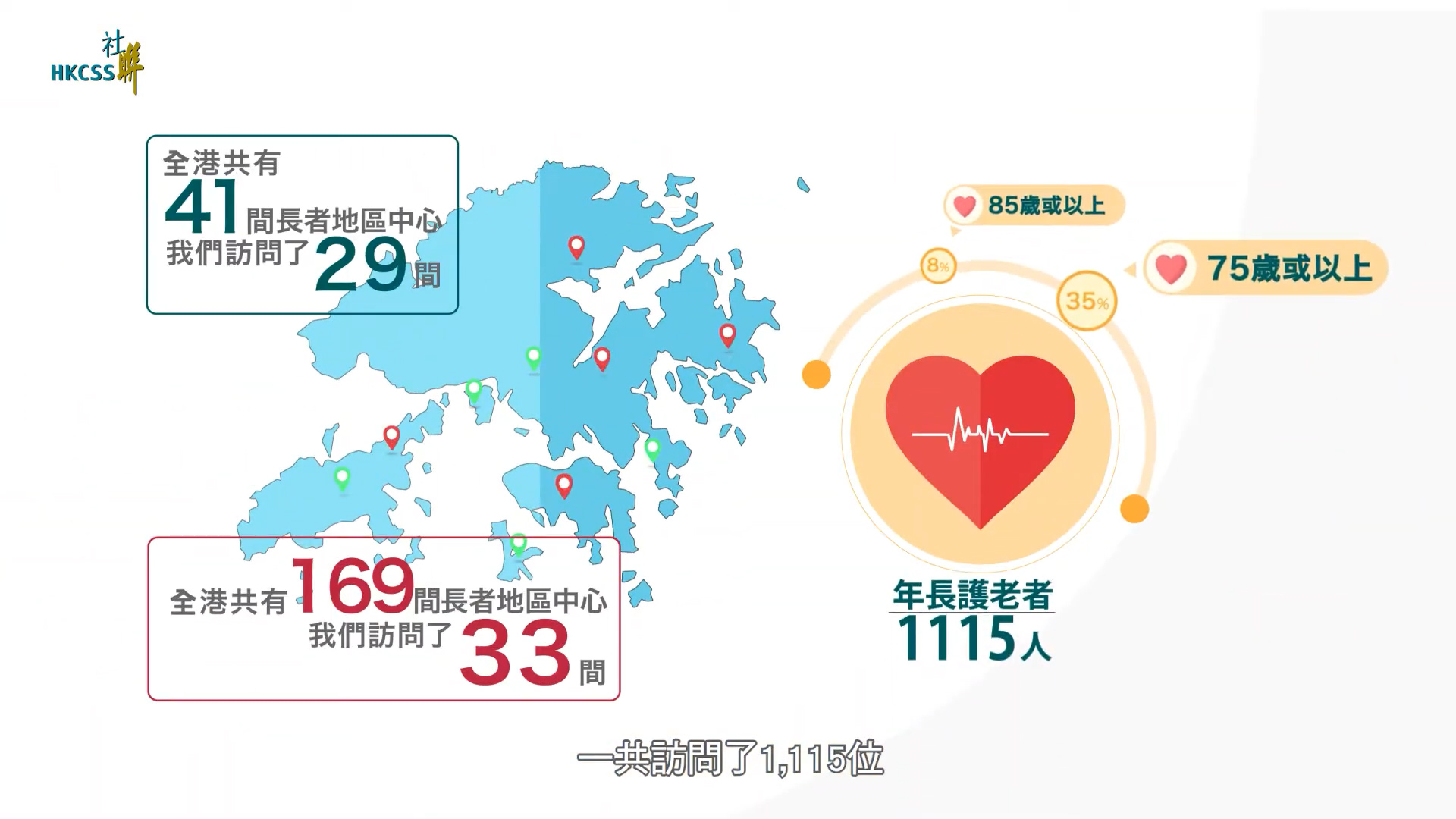
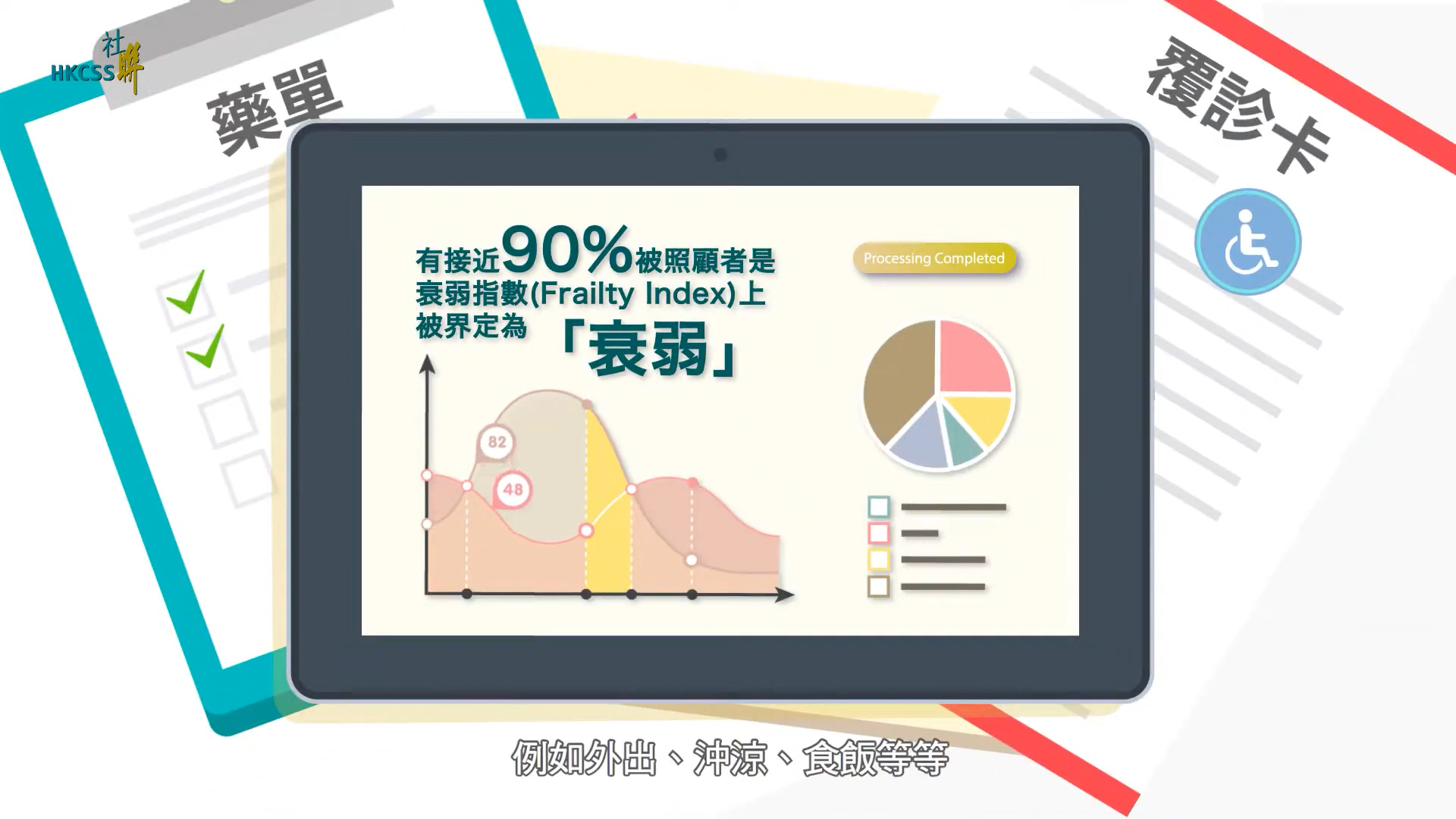
- To share research findings and survey analyses that reveal the psychological stress, physical health status, and real-life problems faced by elderly caregivers.
- To promote more effective responses from policymakers, relevant organizations, and social resources to meet the needs of this group, thereby improving their quality of life and social participation.
- To deliver research results in a more understandable and emotionally engaging way through vivid imagery, encouraging more people to join in caring for elderly caregivers.
Challenges in Creating the Video
- Large volume and technical nature of information: The study contains abundant data and professional analysis, making it difficult to condense effectively into just 2 and a half minutes while retaining accuracy.
- Balancing presentation of sensitive topics: The physical and mental difficulties faced by elderly caregivers involve personal privacy and social stigma. It is challenging to present these respectfully and inclusively without stigmatizing or exaggerating emotionally.
- Attracting a diverse audience: The target audience includes the general public, policymakers, and professionals. The content needs to balance scientific accuracy and accessibility to increase viewership and sharing.
- Time constraint: The short format limits narrative development, requiring concise and dense communication of core messages.
- Filming and interview logistics: Interviewing elderly caregivers and experts requires respect for their conditions, necessitating careful scheduling and emotional management.
Solutions
- Refined script and visual storytelling design: Through repeated discussions, they selected the most representative data points and stories to build a clear narrative structure, including an engaging opening, main body outlining challenges and service needs, and a concluding call to action.
- Integration of diverse materials: Combining interview footage, animated research charts, and real-life scenes enhanced the video’s persuasiveness and visual appeal.
- Respecting interviewees: The interview process prioritized the dignity and comfort of participants, allowing them to share their experiences voluntarily and minimizing production pressure.
- Use of professional post-production tools: Visual effects and subtitles were employed during editing to highlight key points, ensuring clear messaging and enhancing dissemination impact.
- Targeted testing and revisions: Internal and small-scale audience testing were conducted before release to collect feedback, refining the pace and content to better suit viewers’ needs.
Contributions
- Fostering social consensus and awareness: Using vivid imagery and authentic stories, it touches hearts and increases societal understanding and empathy toward elderly care issues.
- Strengthening policy and practice connections: By integrating concrete research data, it provides evidence-based support for government and social welfare agencies to develop more targeted care policies and service programs.
- Enhancing public engagement: It calls on all sectors of society to pay attention to the physical and mental health of elderly caregivers, inspiring volunteers and resource allocation to enrich community support networks.
- Promoting professional field exchanges: Serving as a bridge for discussion among academia and social welfare sectors, it encourages cross-sector collaboration to improve elderly caregivers’ lives.
- Demonstrating visual communication power: It exemplifies how short films can effectively visualize complex social science research, offering a model for future nonprofit advocacy efforts.
In summary, the video “HKCSS Study on the Physical and Mental Health and Service Needs of Elderly Caregivers” persists in presenting the genuine needs of elderly caregivers from a human-centric perspective. Through strategic visual storytelling, it overcomes the challenges of professional content and time limitation, successfully promoting widespread social attention and response. This is not only a research dissemination video but also an important medium to awaken a collective social responsibility.