


Client: Children’s Thalassemia Foundation
Duration: 34:00
Language: Cantonese
Video Ownership: The Client
Video Production House: Visual Media Limited
Video Introduction
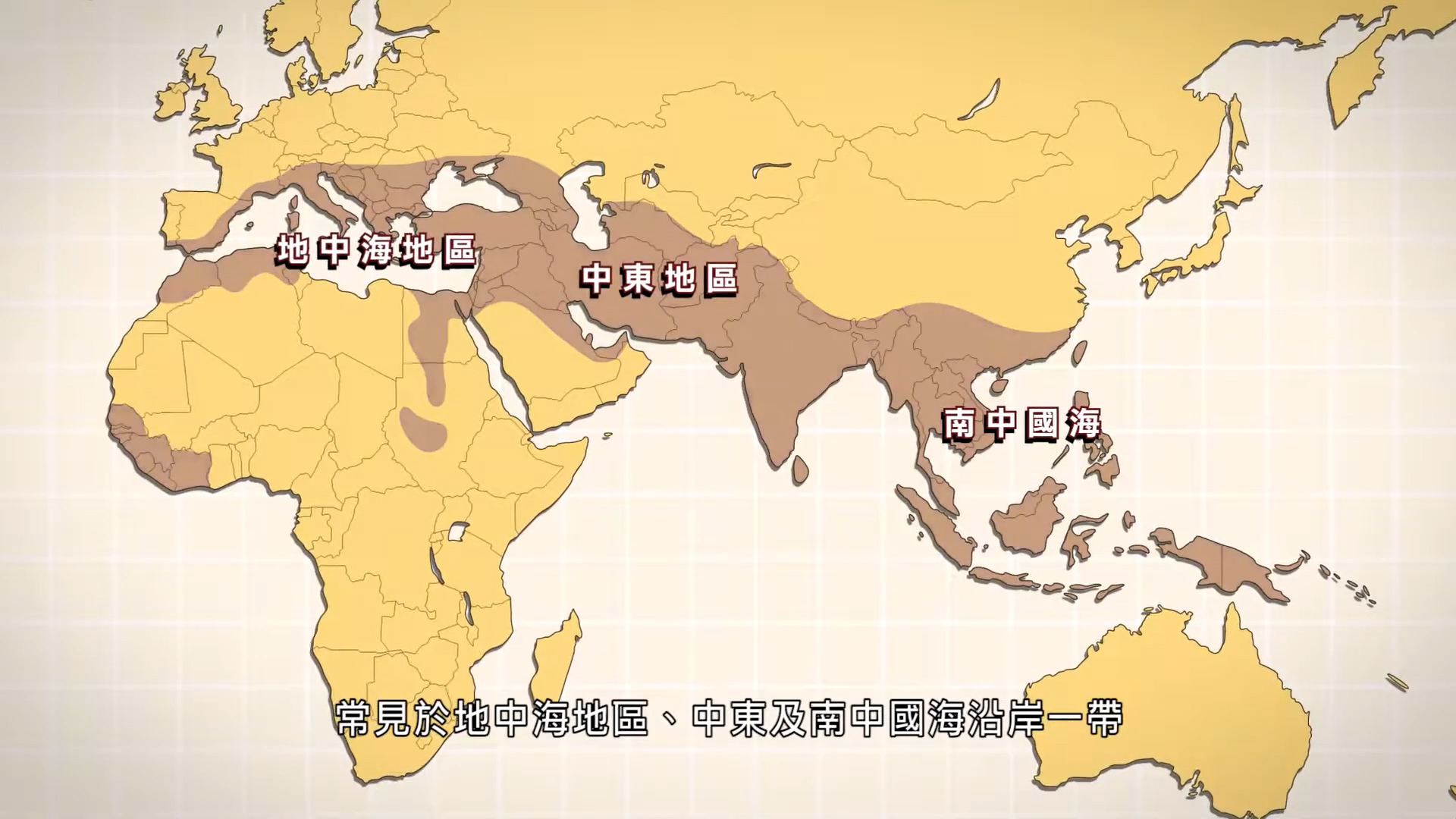
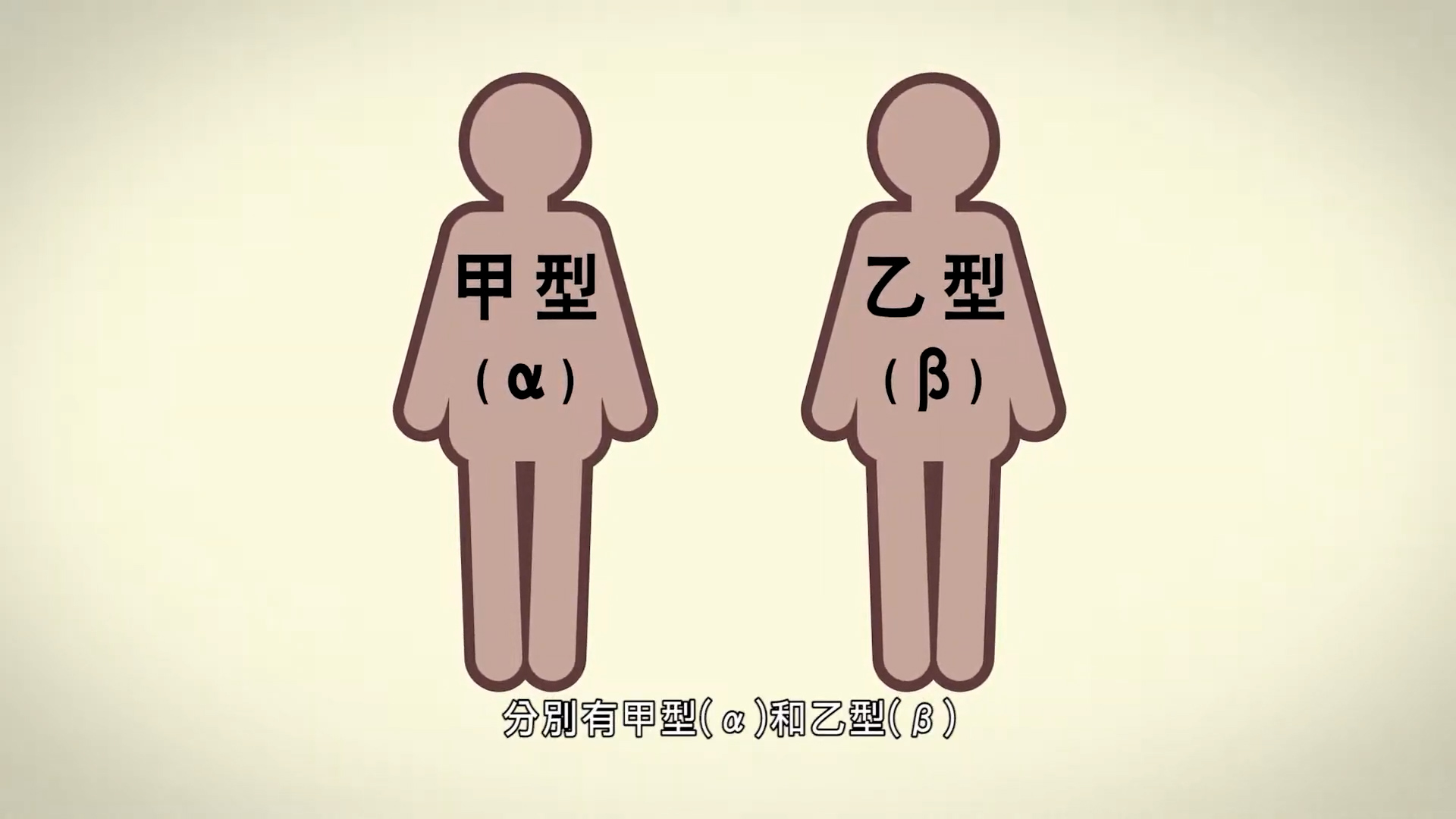
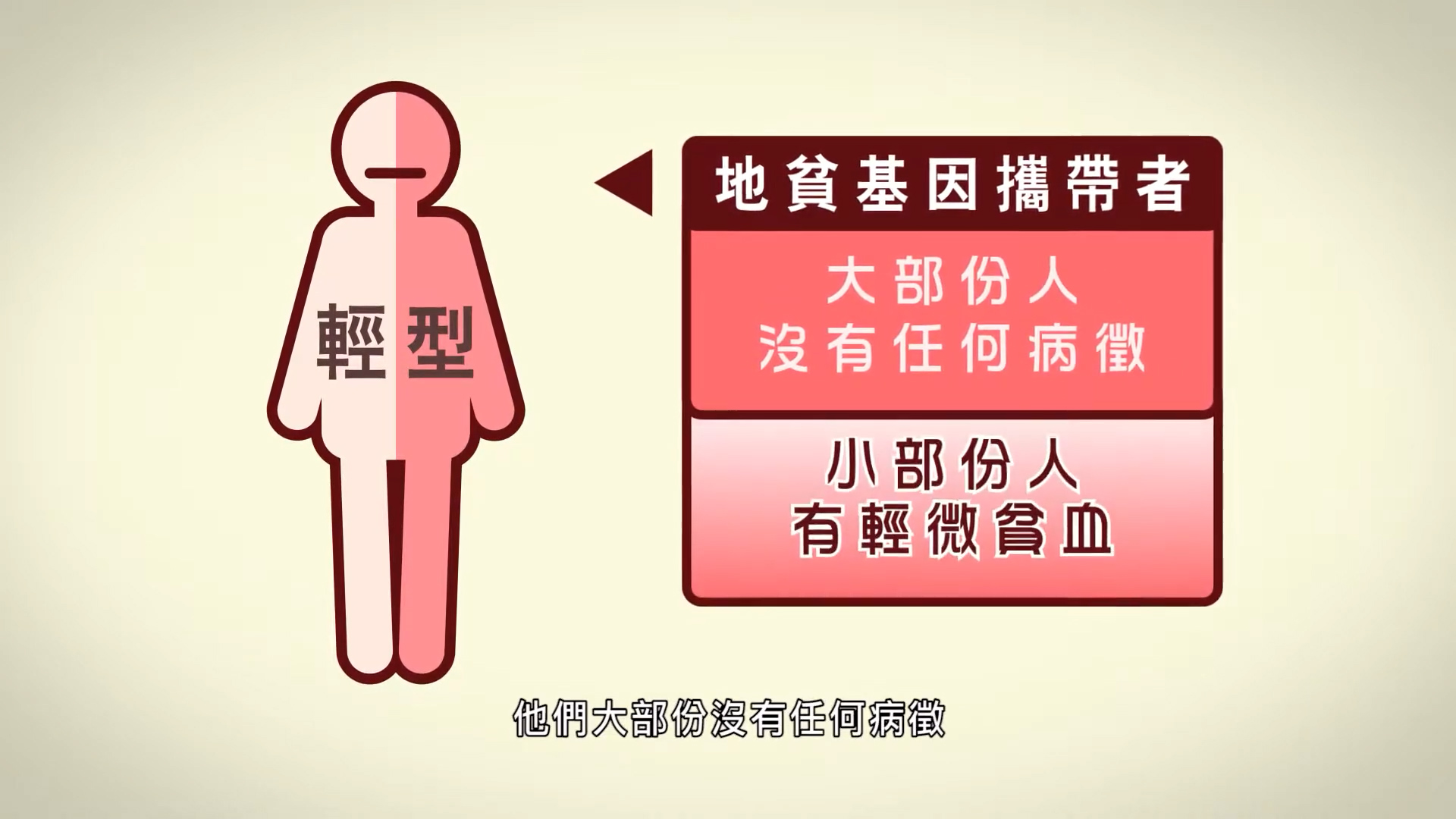
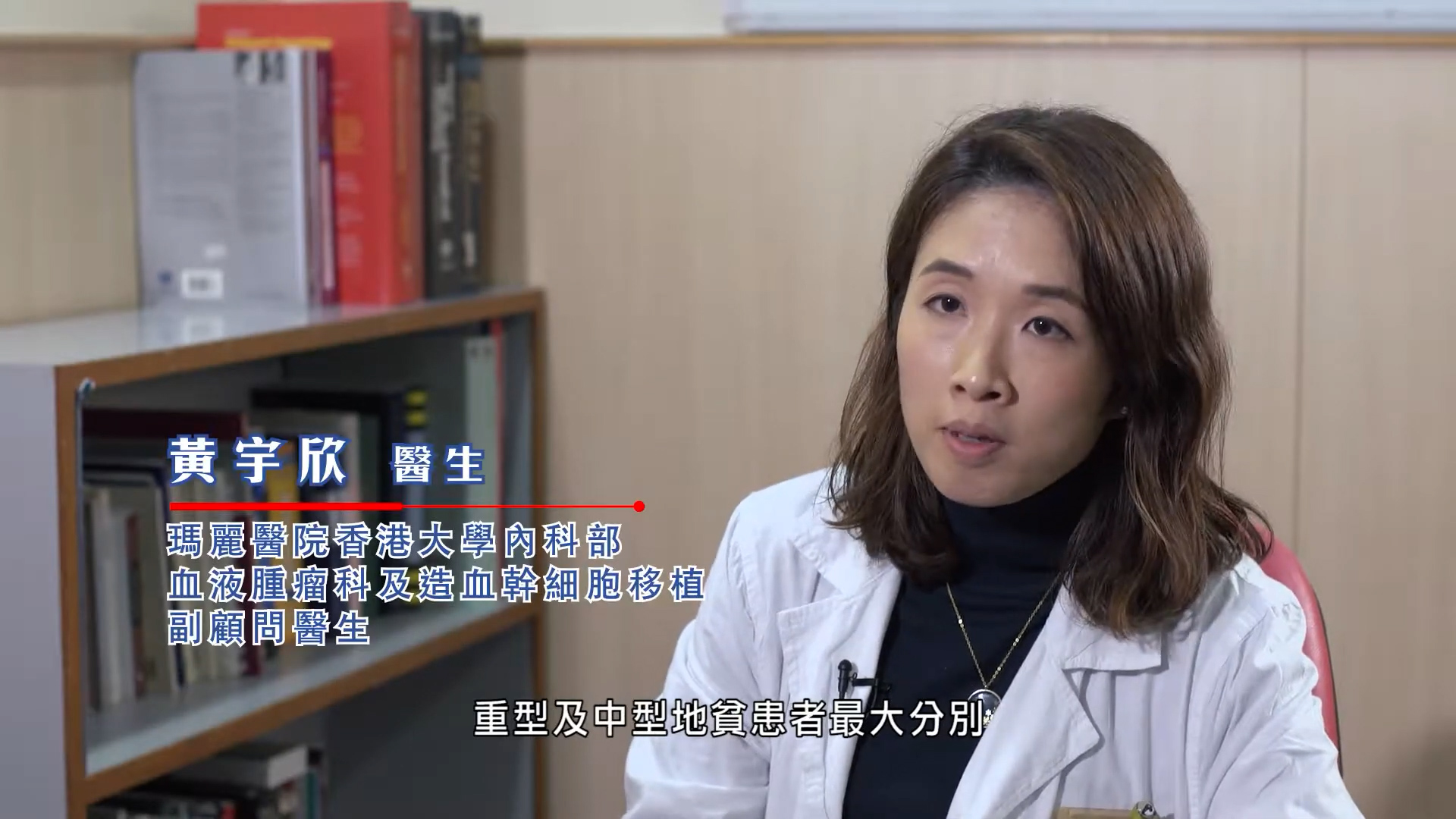
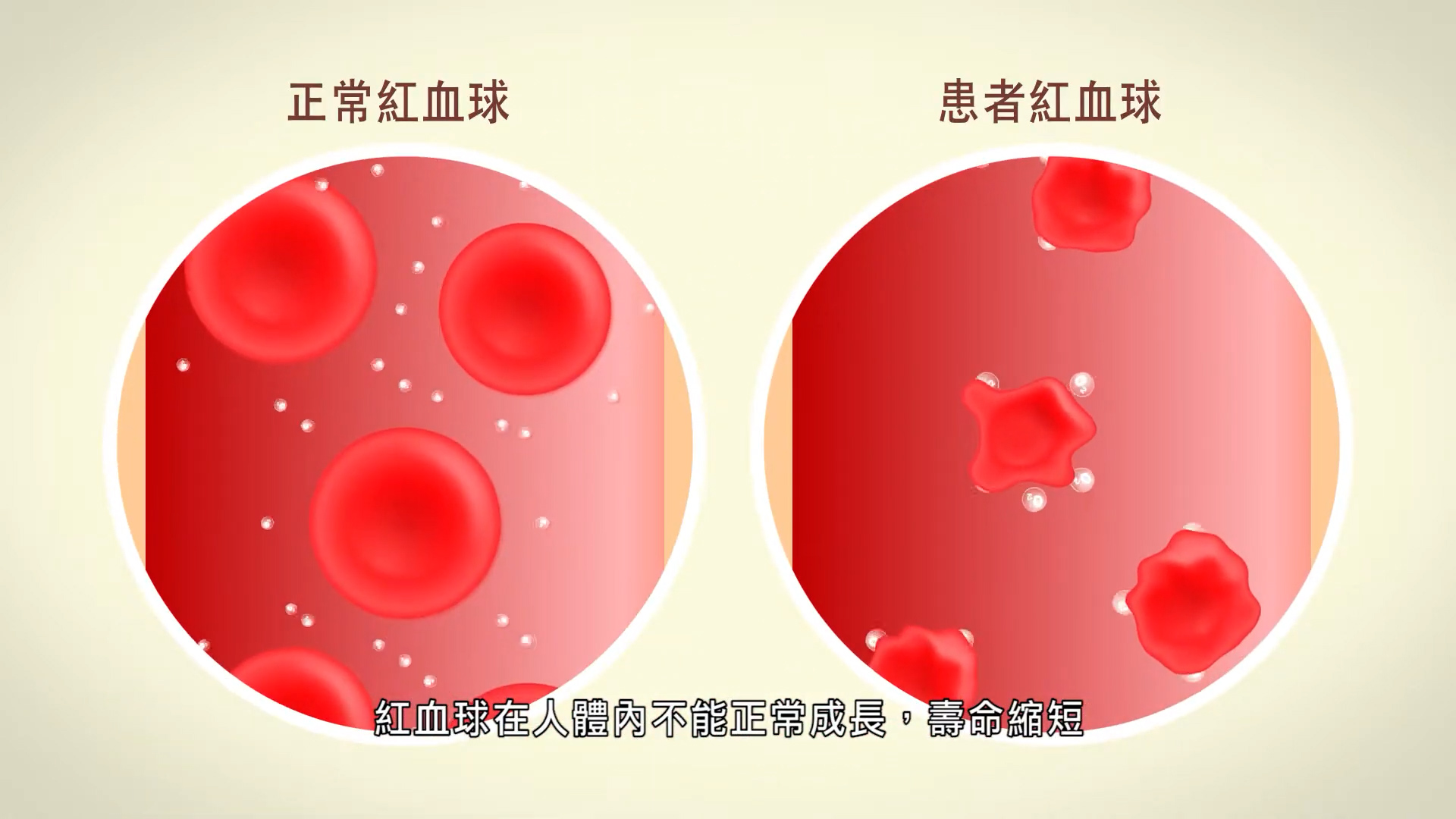
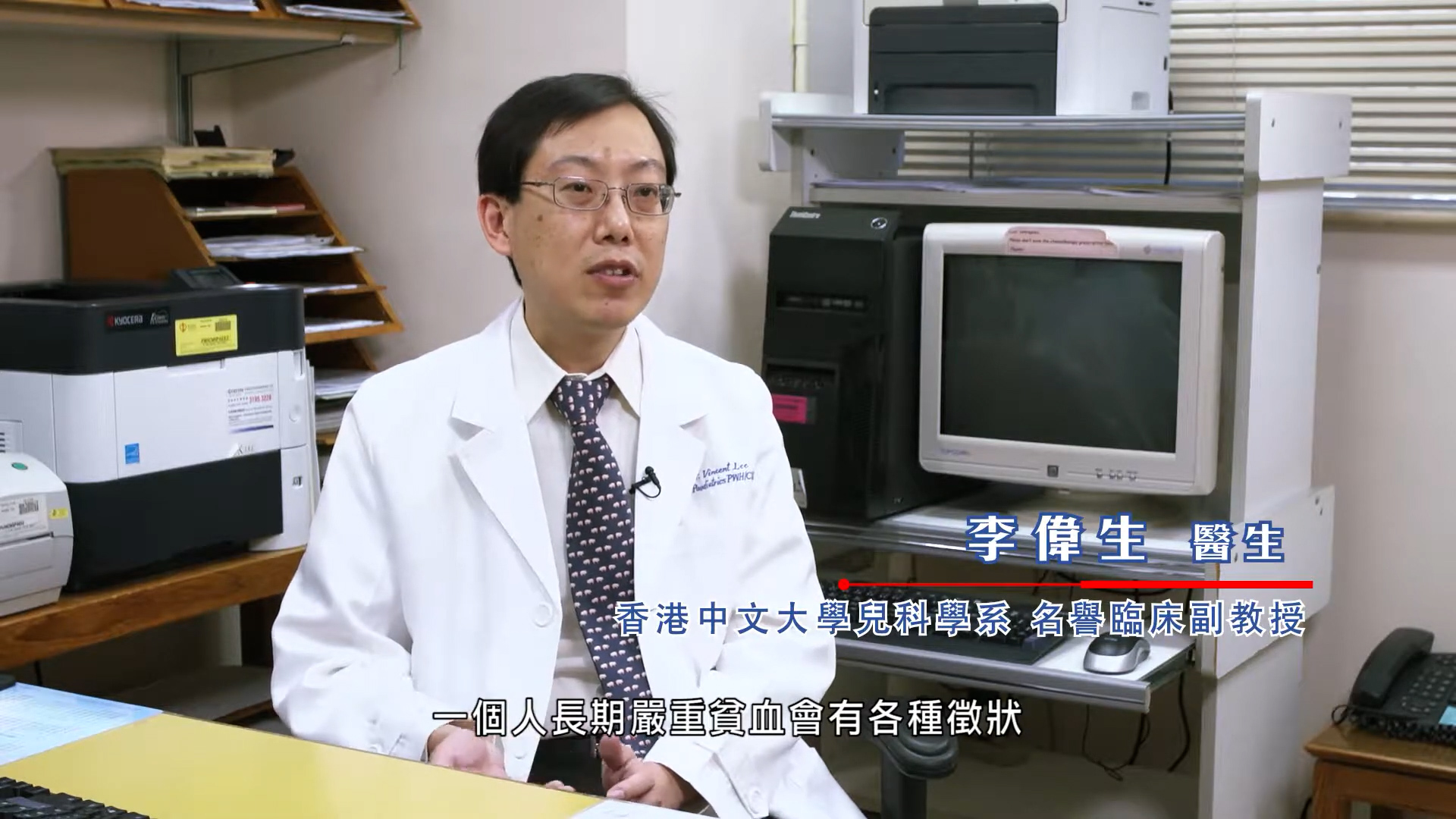
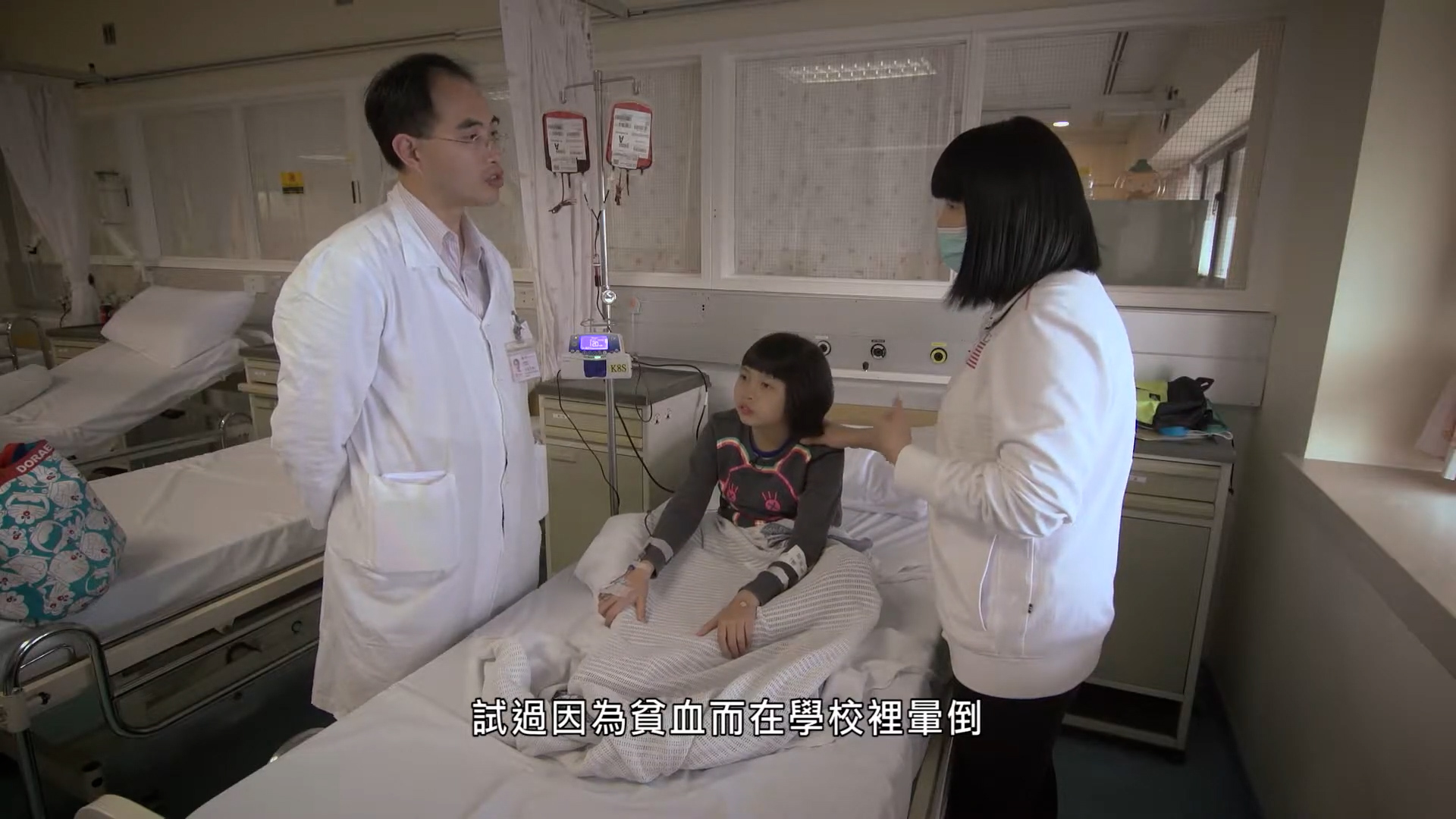
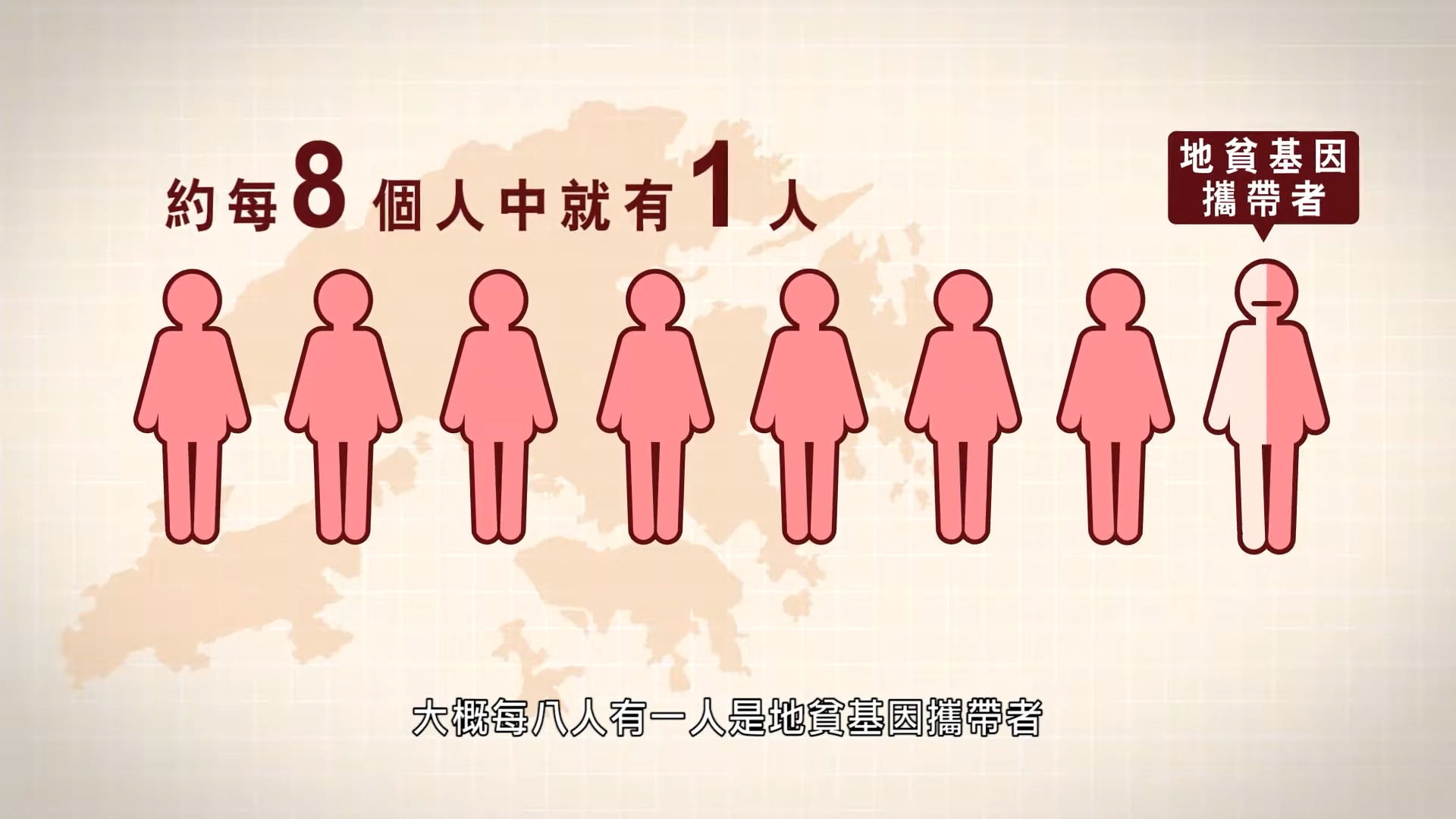
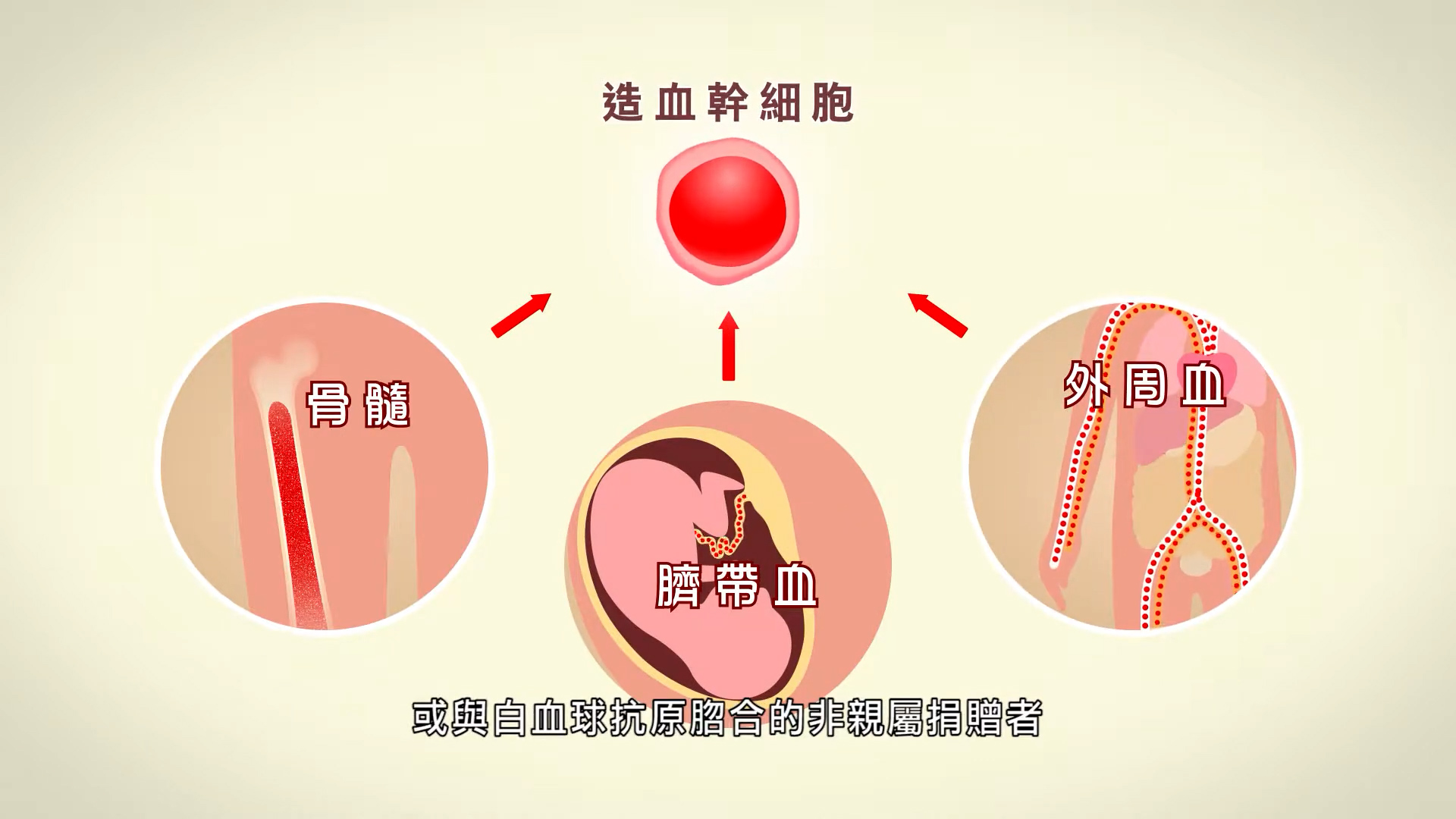
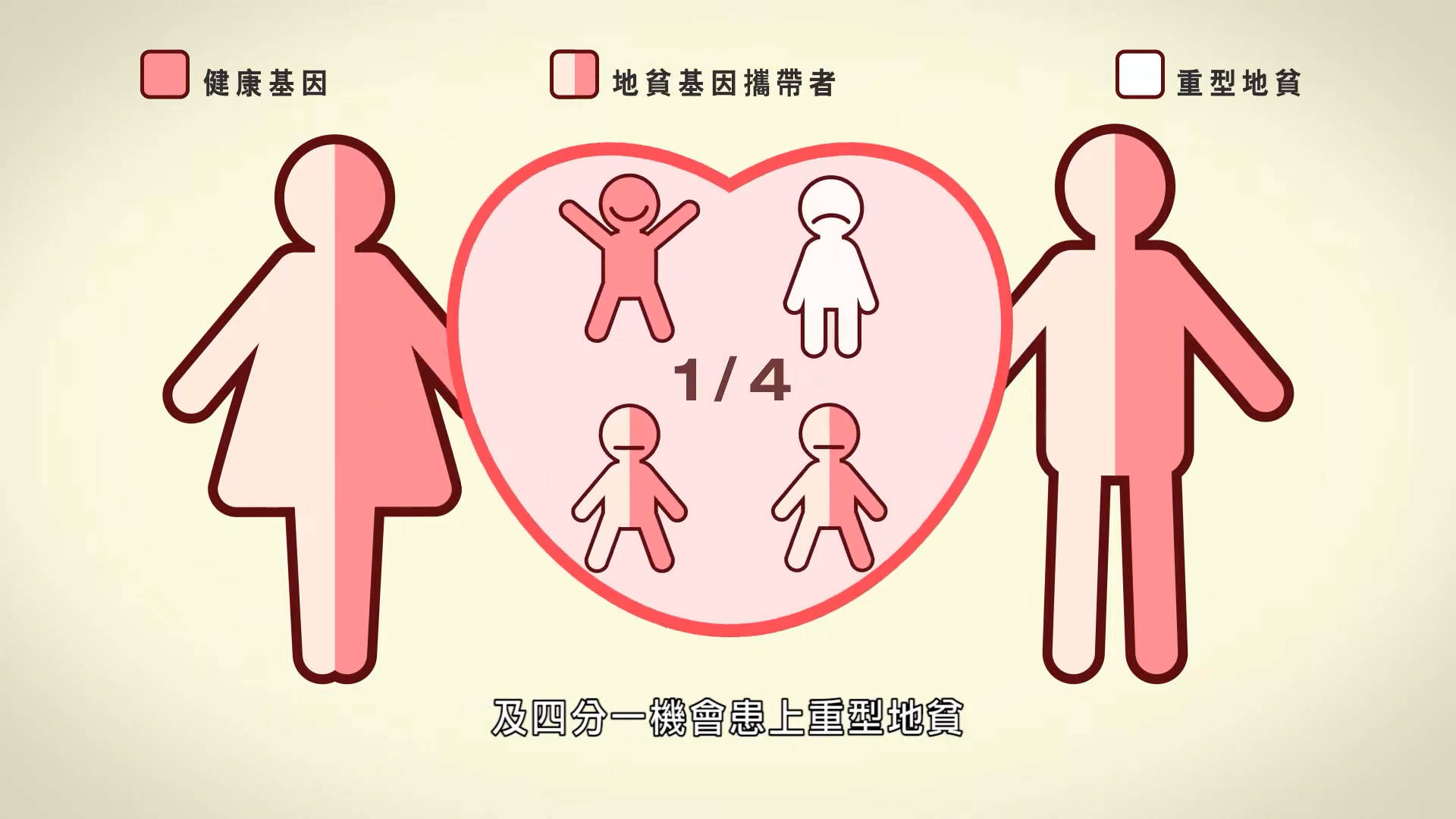
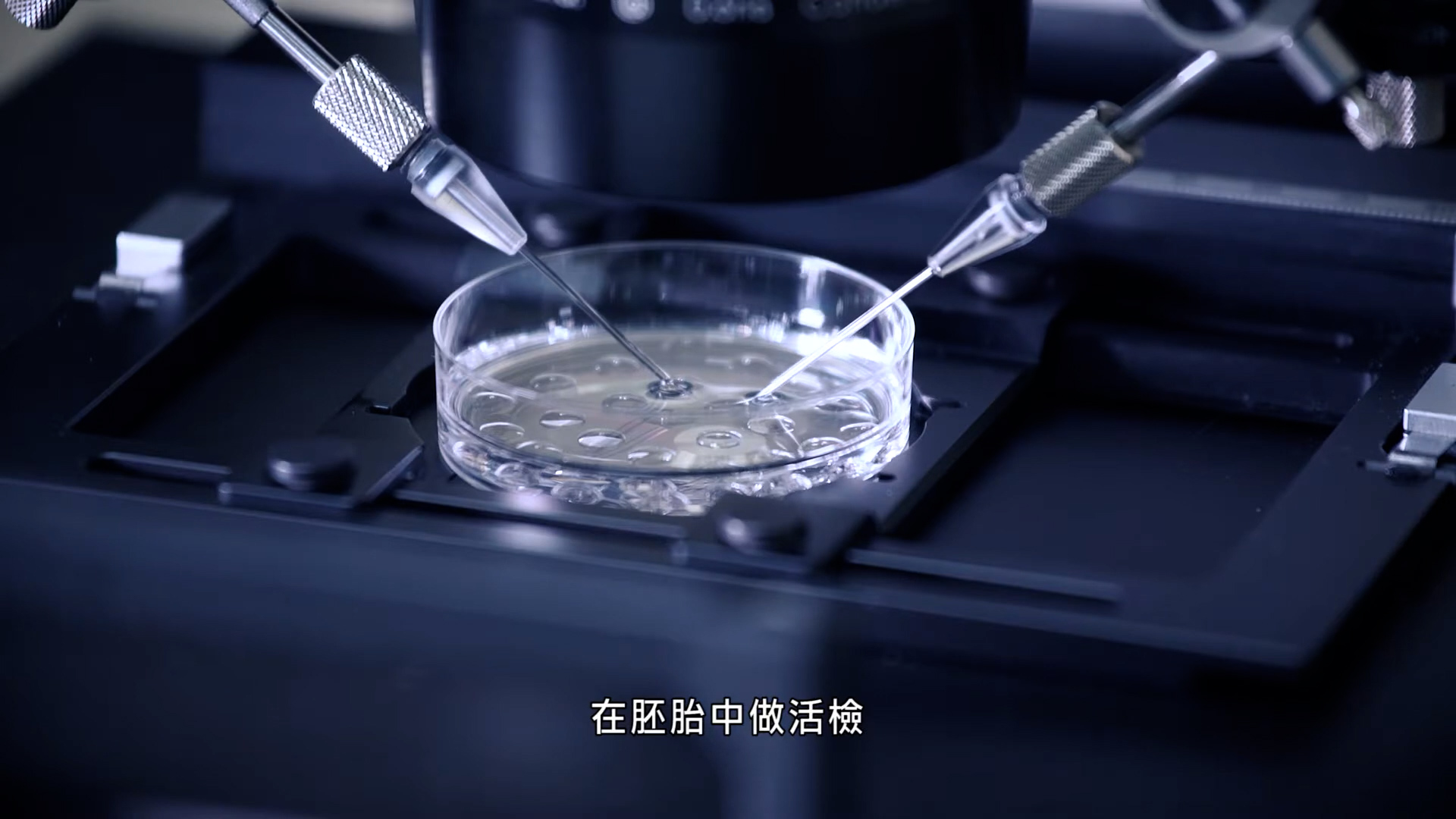
This film focuses on beta-thalassemia, a common hemoglobin disorder in the Mediterranean region, with a public education emphasis. Through clear illustrations, flowcharts, and key summaries, it explains the genetic basis, variability of symptoms, diagnostic pathways, treatment options, and daily management points, while clarifying the importance of screening and the broad impact of early diagnosis on families and society. The tone is friendly, professional, and neutral, avoiding sensationalism while maintaining scientific accuracy and accessibility so that non-specialists can quickly grasp the core knowledge. The design aims to serve as a knowledge-transmission tool for school health education, community talks, foundation websites, social media, and promotional materials, providing a stable and reusable resource that can be deployed across different contexts.
Video Purpose
The core purpose of this video is to elevate public understanding and accurate knowledge of beta-thalassemia, promote awareness of screening and early diagnosis, and guide viewers to the medical and social resources available to them. In addition, the video aims to deepen understanding and support for the foundation, showing donors, volunteers, and partners the foundation’s long-term commitment and tangible impact in disease education, resource linking, and community health promotion. Because the video is built on scientific information and practical guidance, the content also accommodates policy advocacy and broader educational outreach, with the aim of becoming a long-term resource for advancing Mediterranean anemia-related topics within the community.
Challenges in Creating the Video
One primary challenge is maintaining viewer focus and comprehension when the story is not the core element, and presenting complex genetic mechanisms and clinical knowledge in a clear, readable way. Additional challenges include effectively emphasizing actionable steps for screening and early diagnosis so viewers know exactly what to do next after watching, such as how to access screening, medical services, and family support networks. Given the heterogeneity of audiences across ages and cultures, the content should provide layered explanations and easy-to-switch professional supplementary information to benefit diverse viewers.
Solutions in Video Production
The strategy centers on a core architecture of “disease education plus screening and resource guidance,” using intuitive illustrations, concise written explanations, and neutral narration to avoid overly technical language. The visual style is unified, with consistent color schemes, typography, and iconography, complemented by information graphics, flowcharts, and split-screen designs to enhance readability and transparency of information. Content is organized into topics such as disease mechanism, clinical presentation, diagnostic workflow, treatment and management, the importance of screening, available resources and care pathways, with concise summaries and practical links. Reusable templates and multiple output versions (different lengths, languages, and social media formats) are provided to facilitate broad publication in schools, clinics, foundation sites, and social channels. All data and claims are grounded in credible sources, with references and annotations when necessary, and materials are licensed with privacy and de-identification considerations to protect individuals.
Contributions
This purely informational public education video can rapidly raise knowledge and topic visibility about beta-thalassemia, providing the foundation with a stable, reusable science communication asset suitable for teaching materials, promotional posters, websites, and social outreach. It can also serve as core teaching material for school health education and community health promotion, enabling schools, clinics, and the foundation to reuse and redistribute in various contexts.